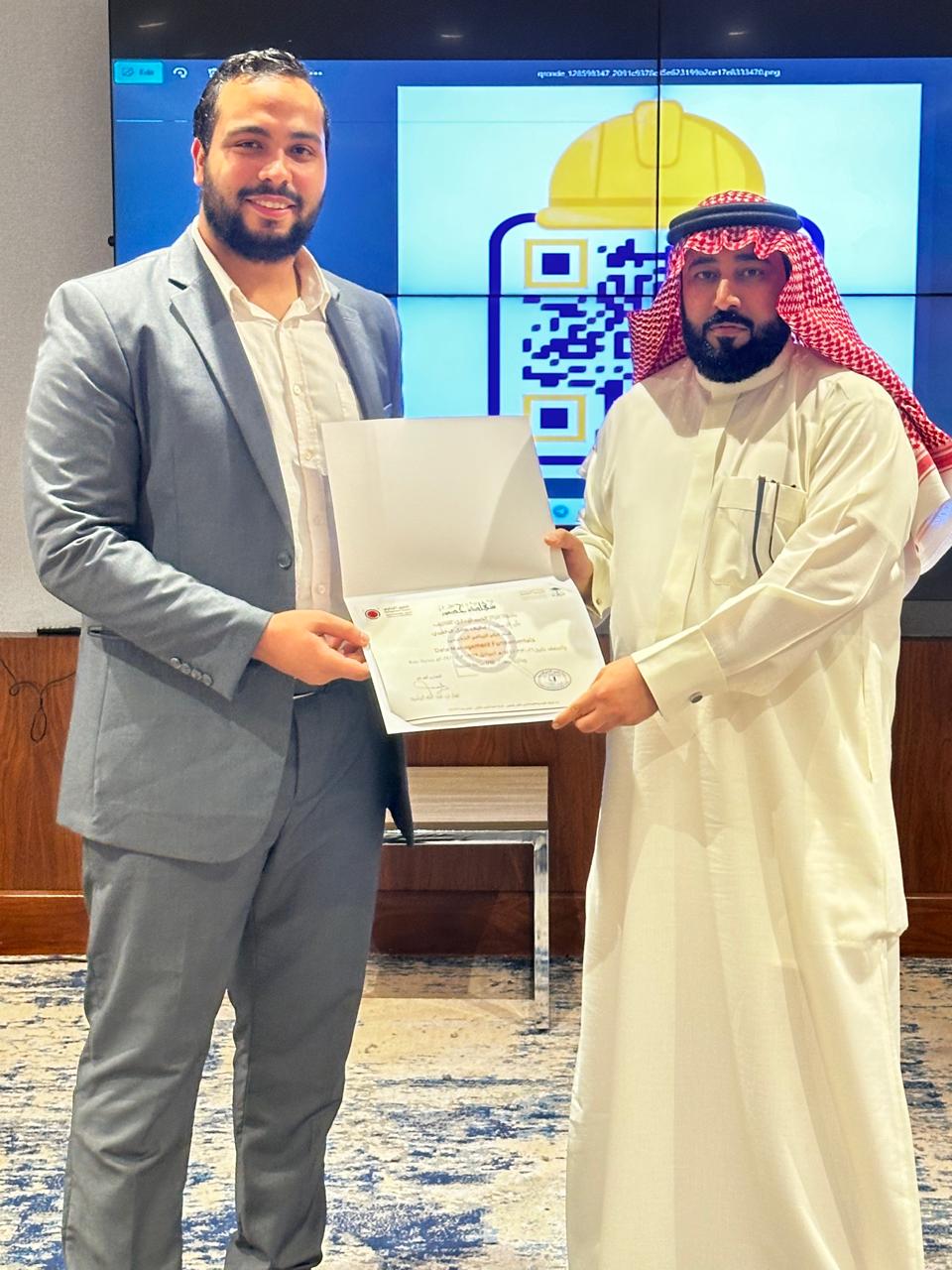
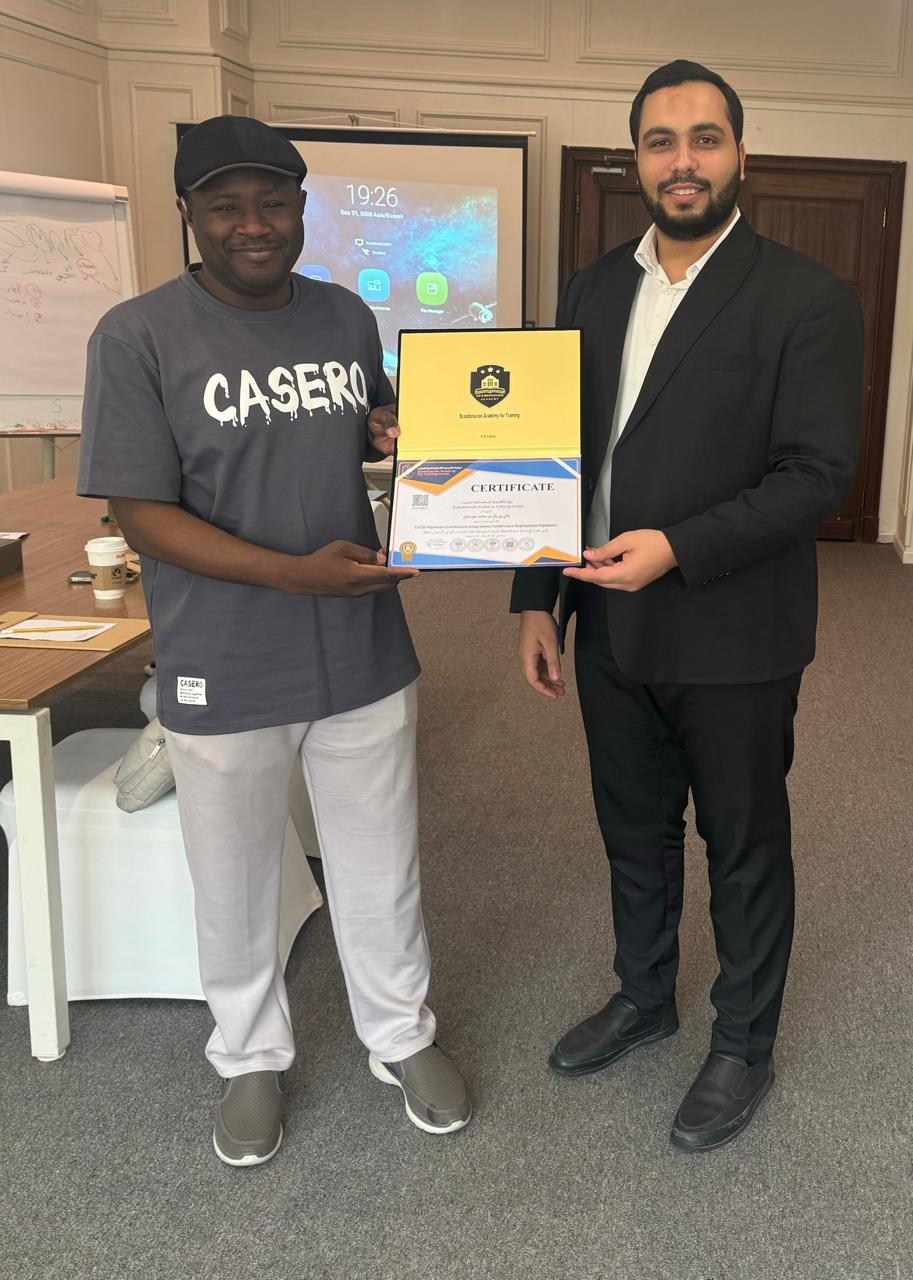
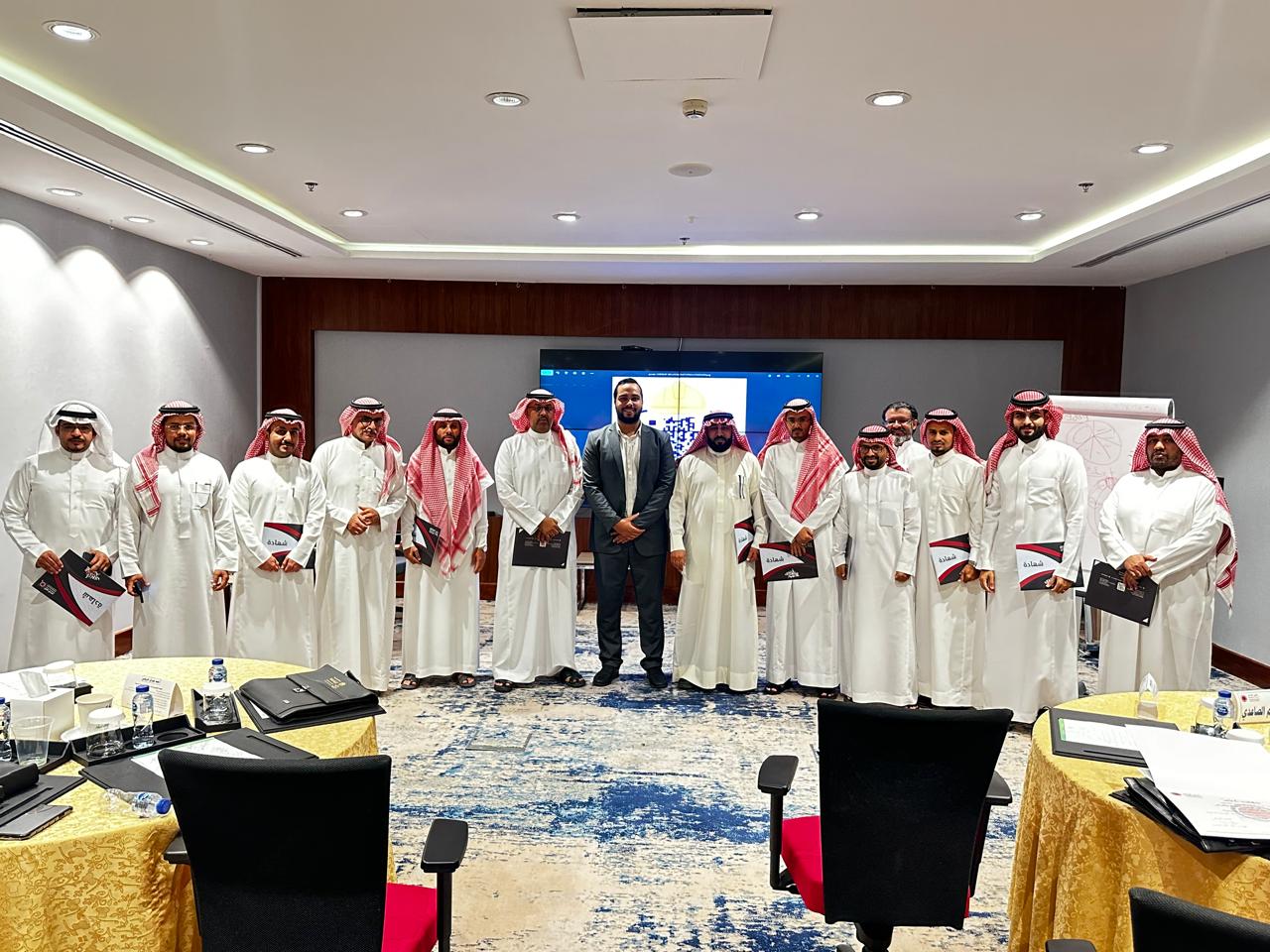
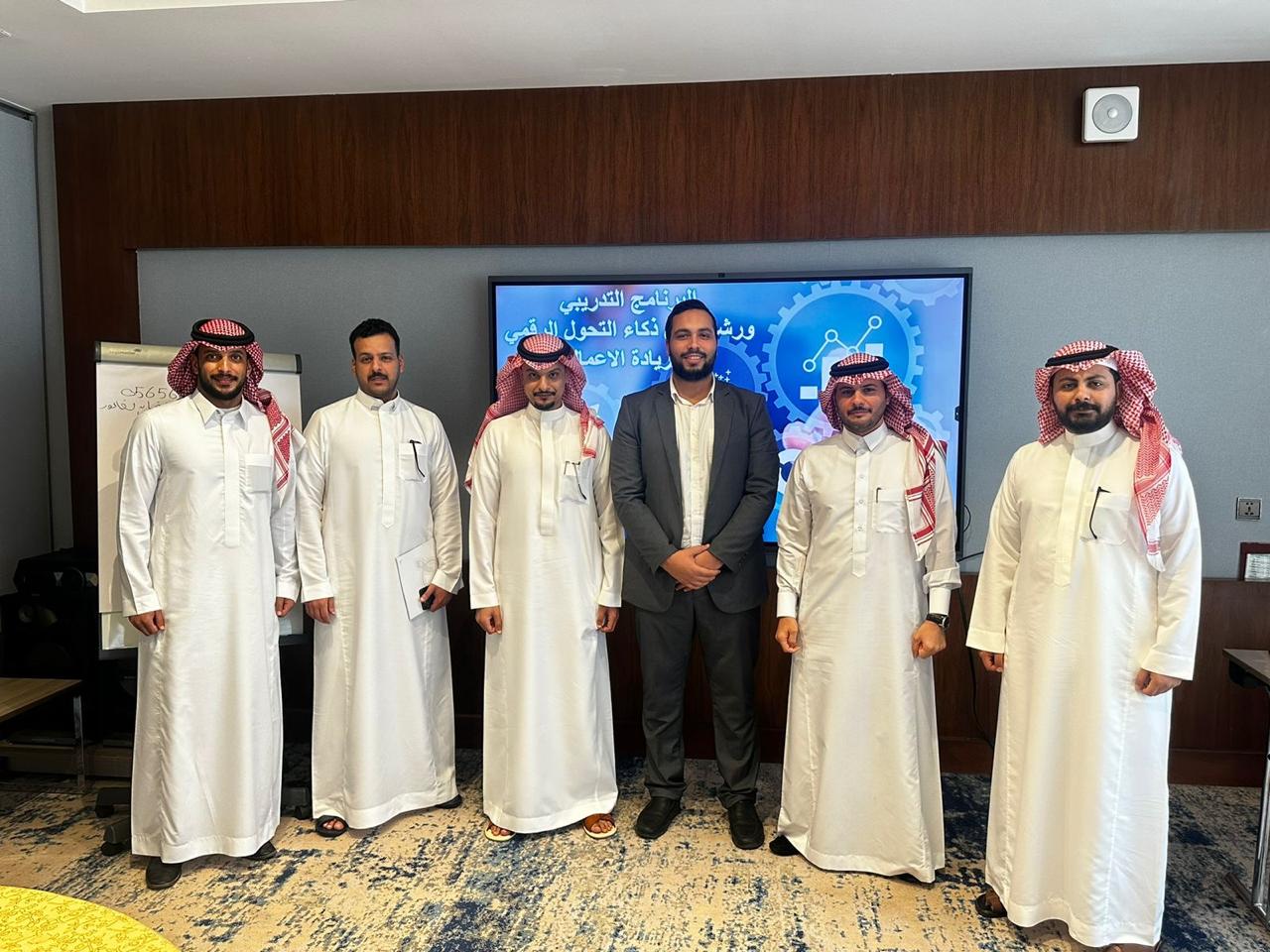
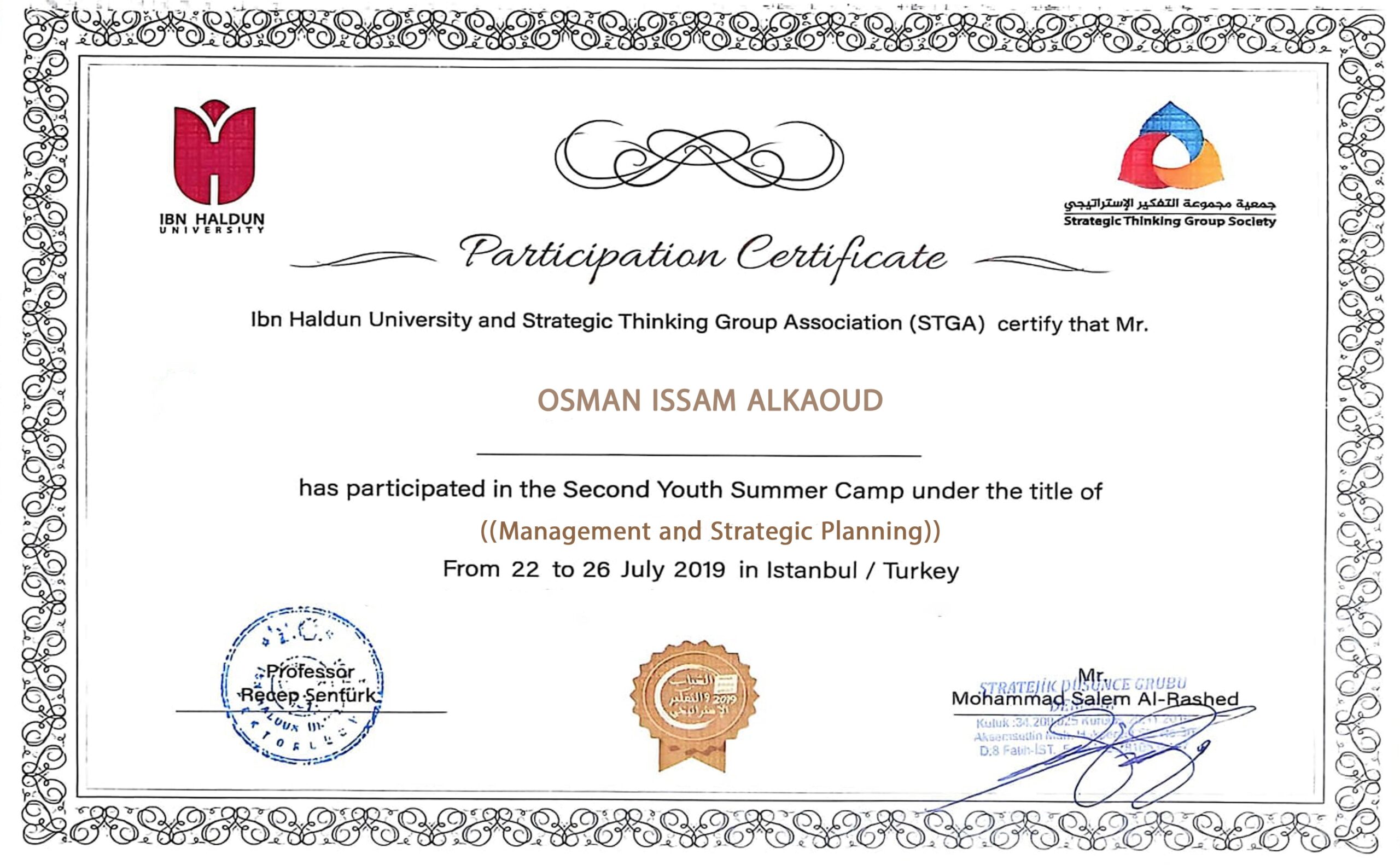
Osman AlKaoud

Trainer and Developer

Trainer and Developer

Trainer and Developer

Trainer and Developer

Trainer and Developer

Osman AlKaoud

Trainer and Developer

Trainer and Developer

Trainer and Developer

Trainer and Developer

Trainer and Developer

About Me

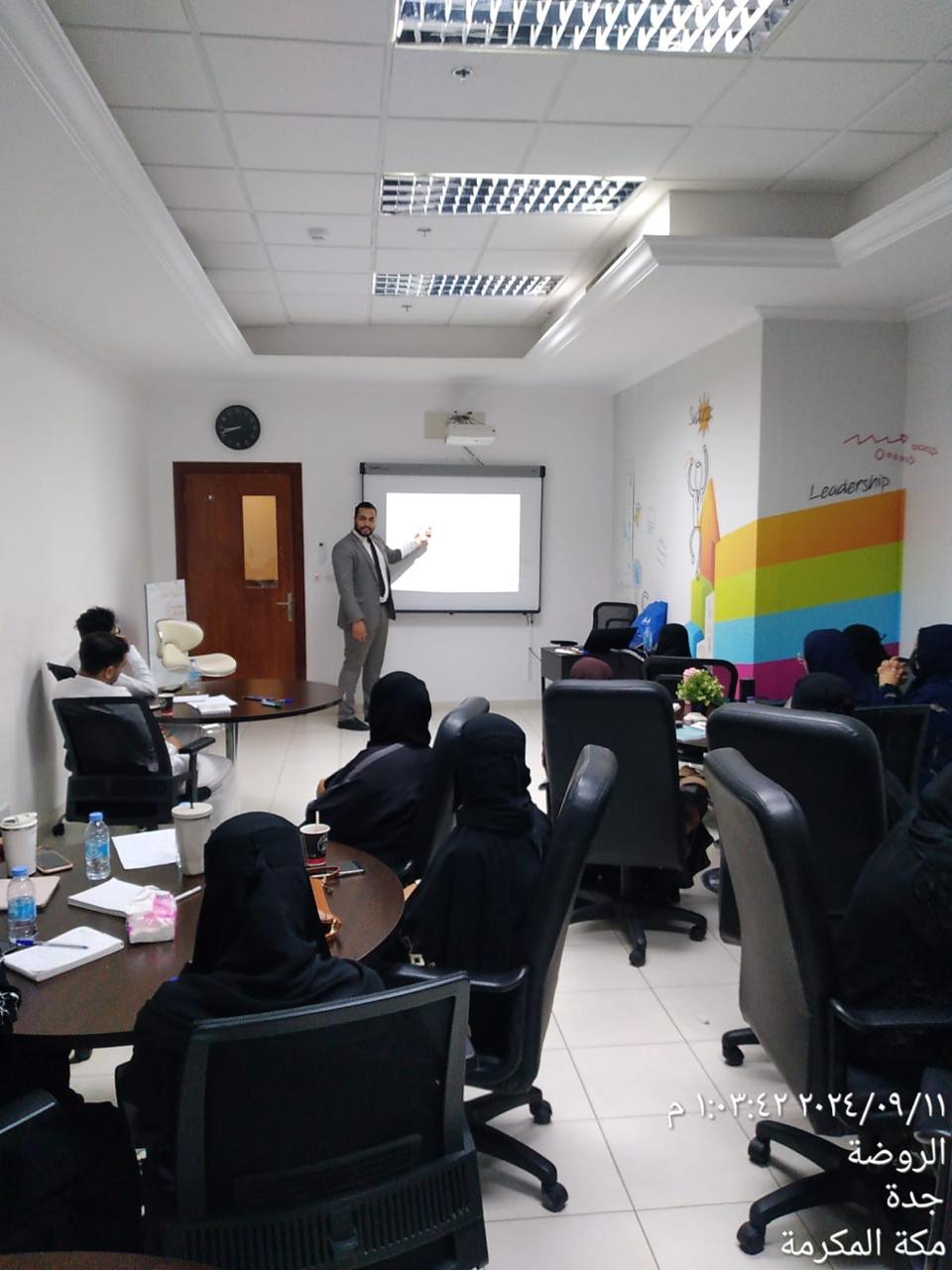
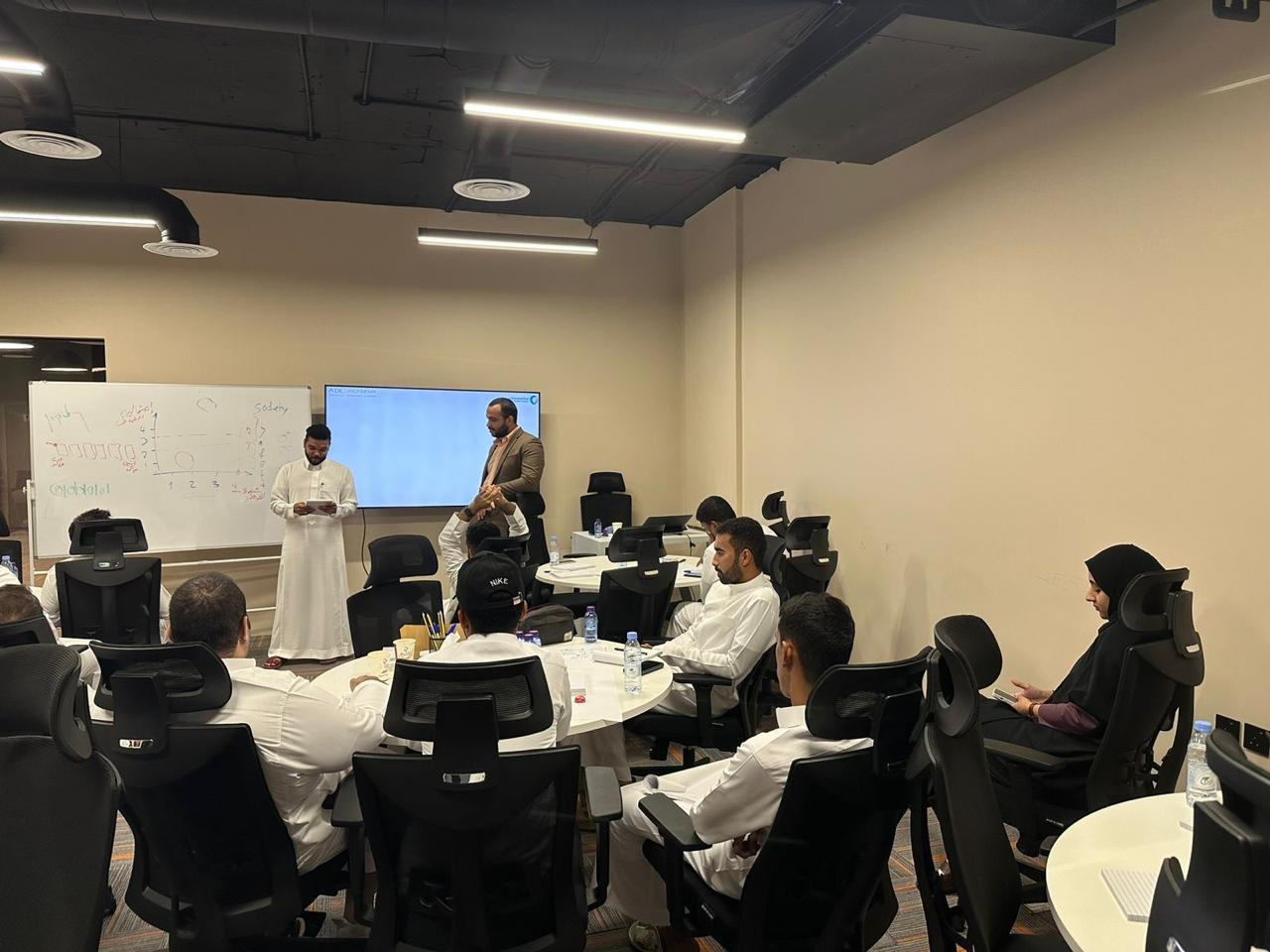
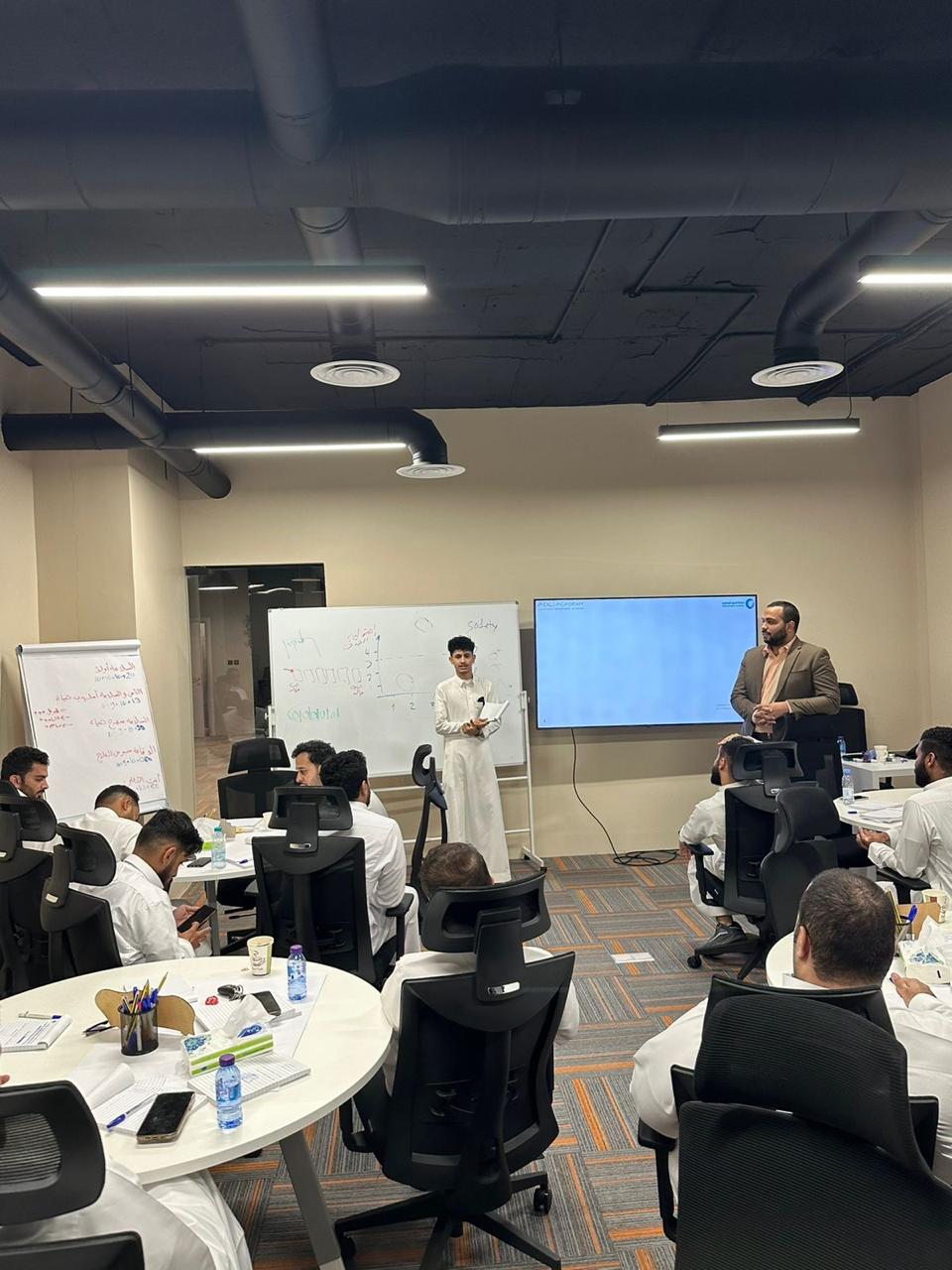
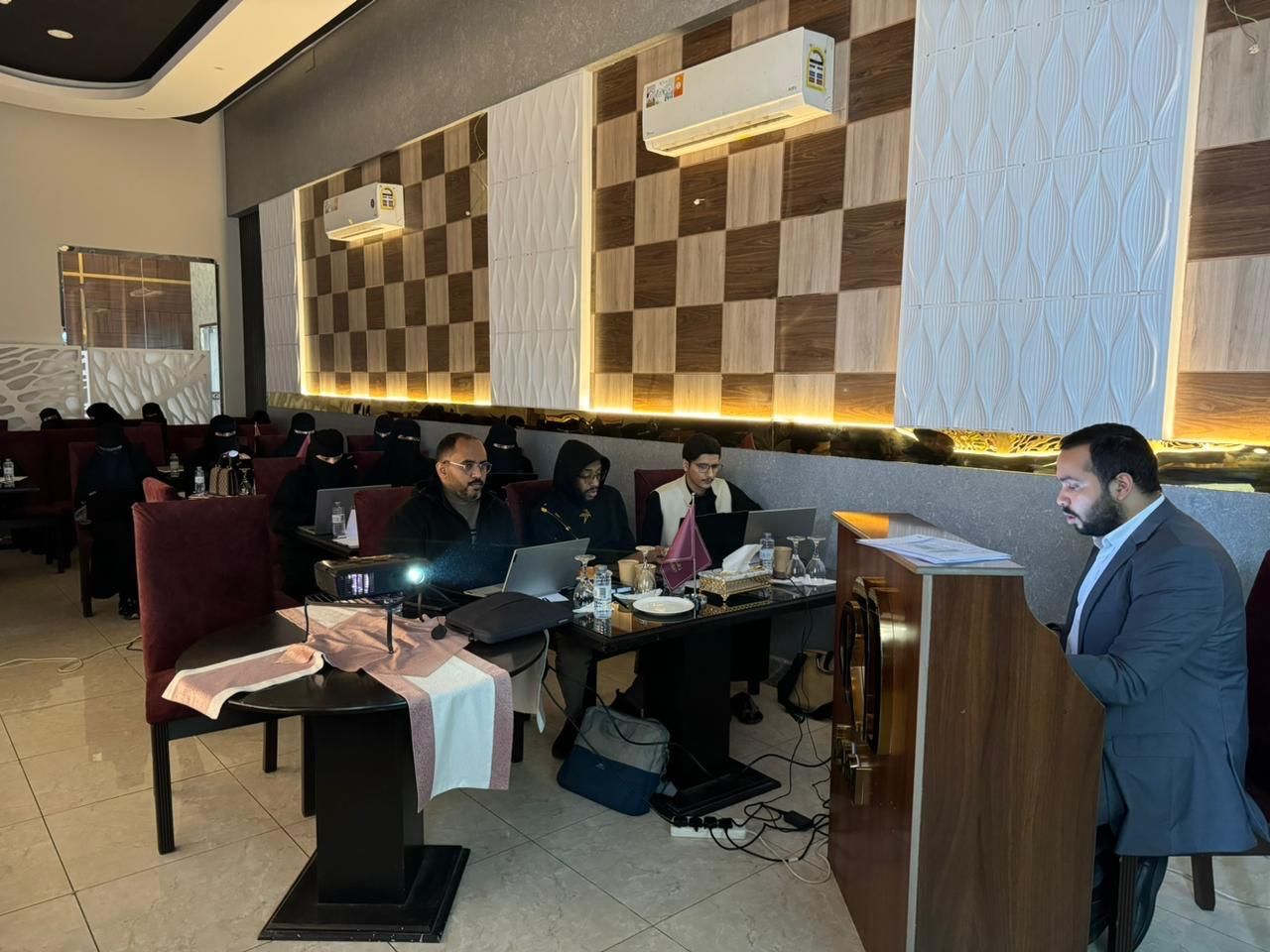
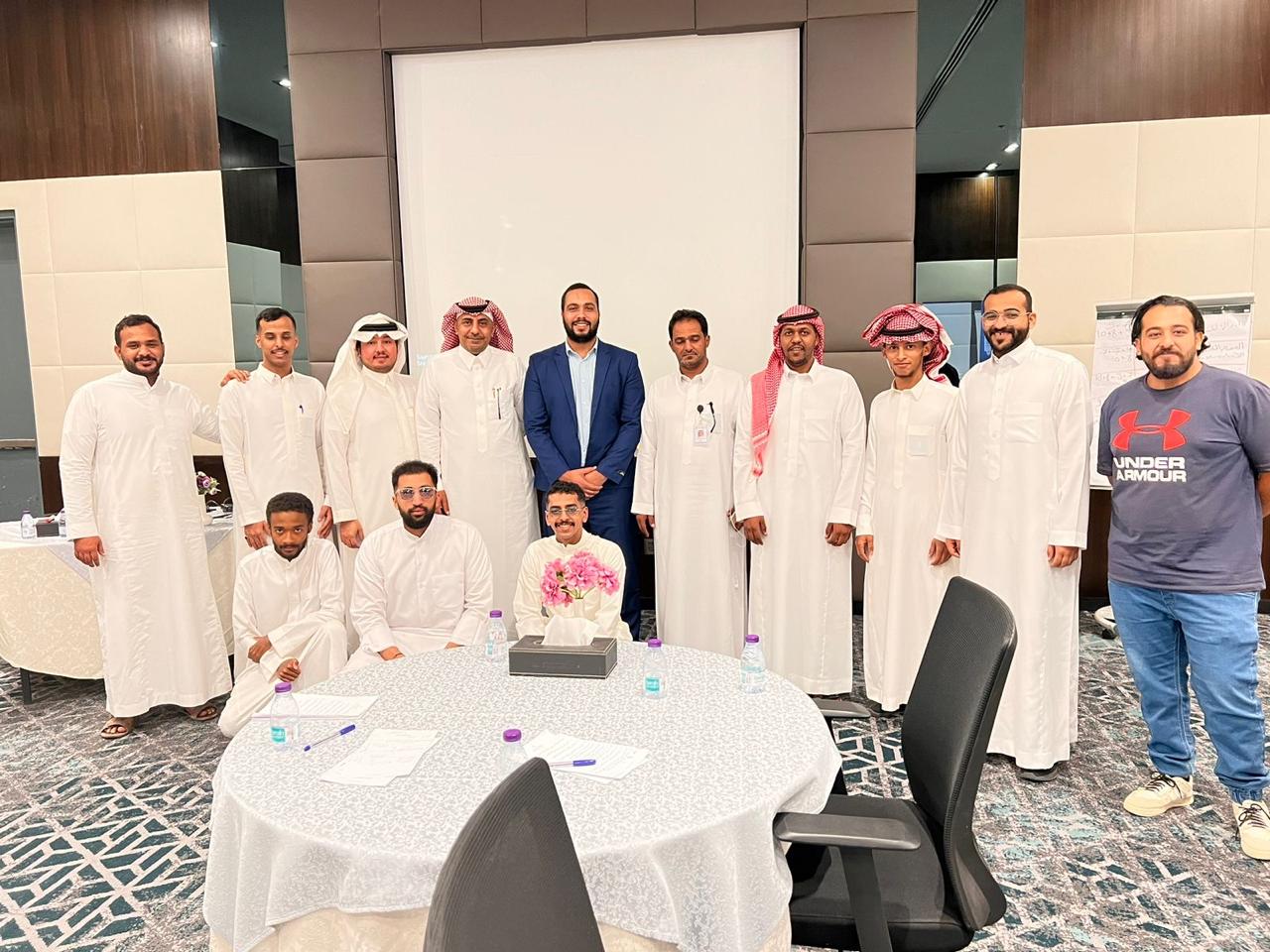
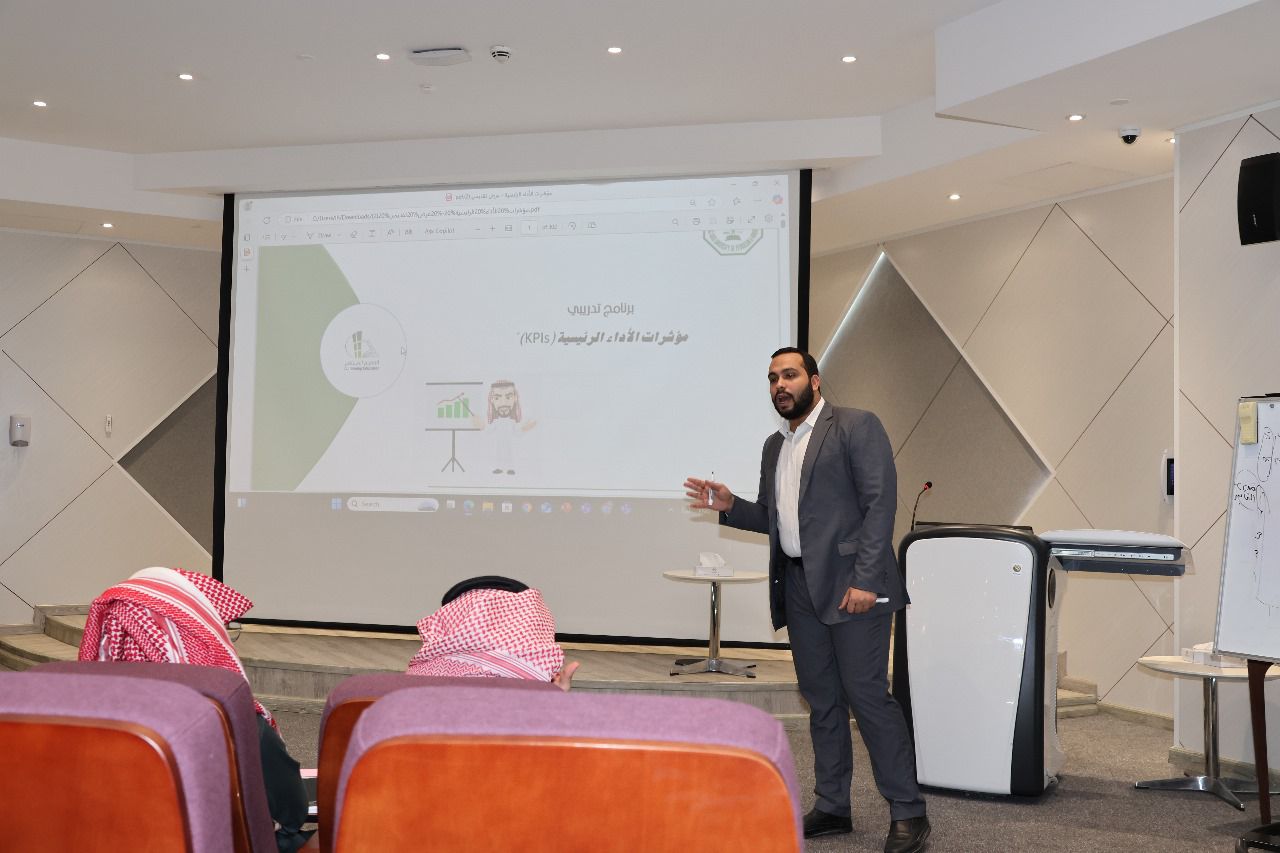
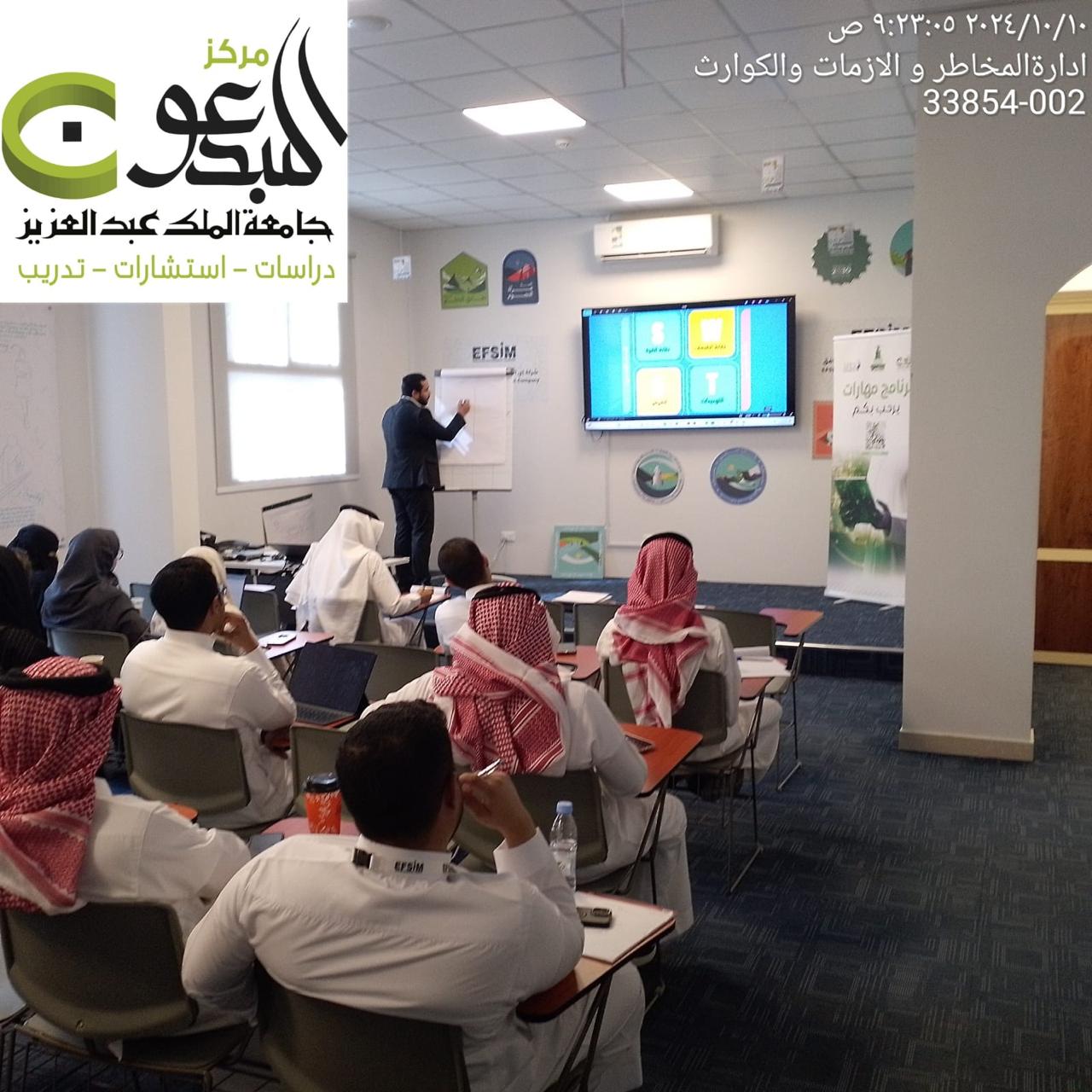
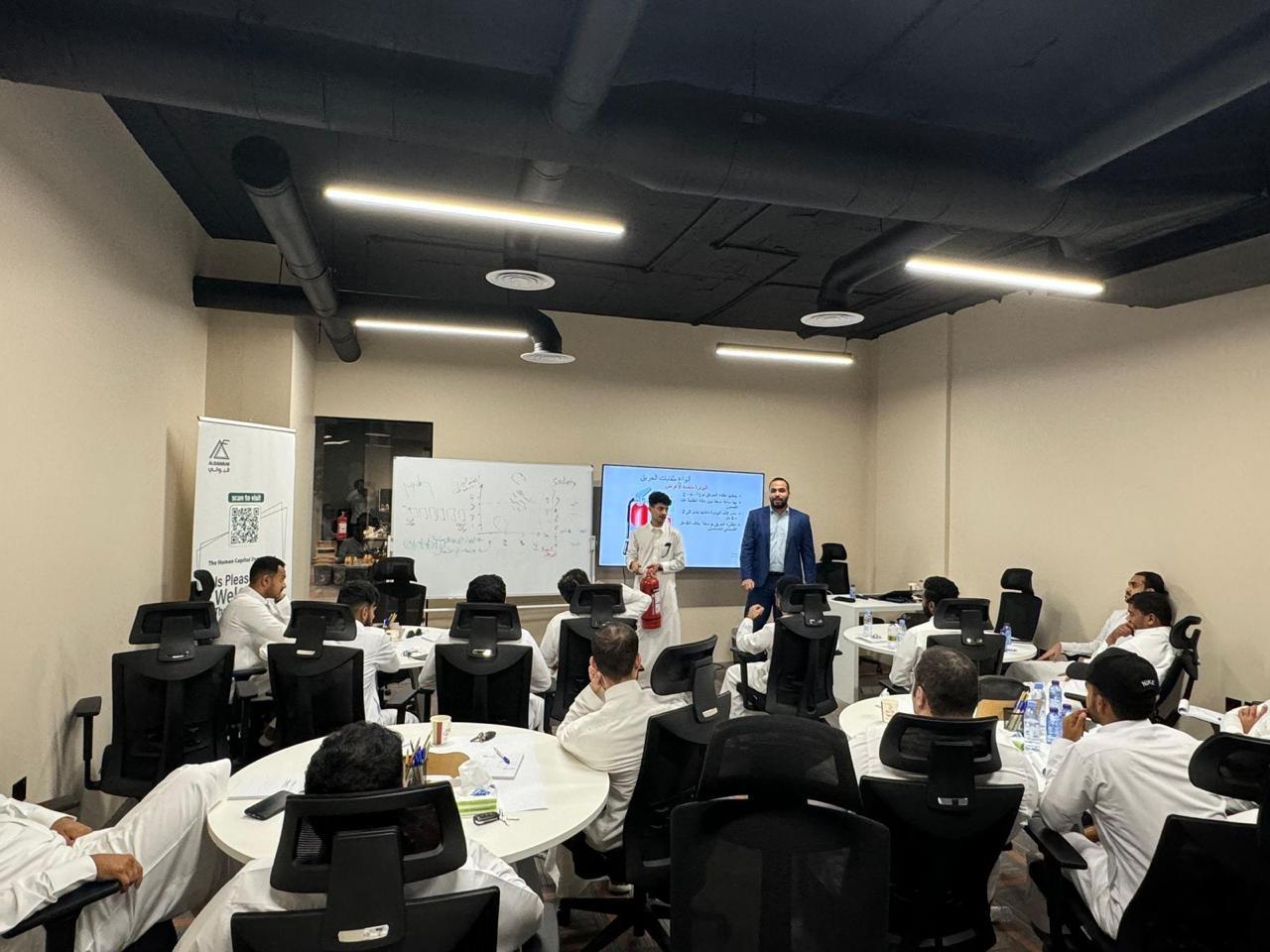
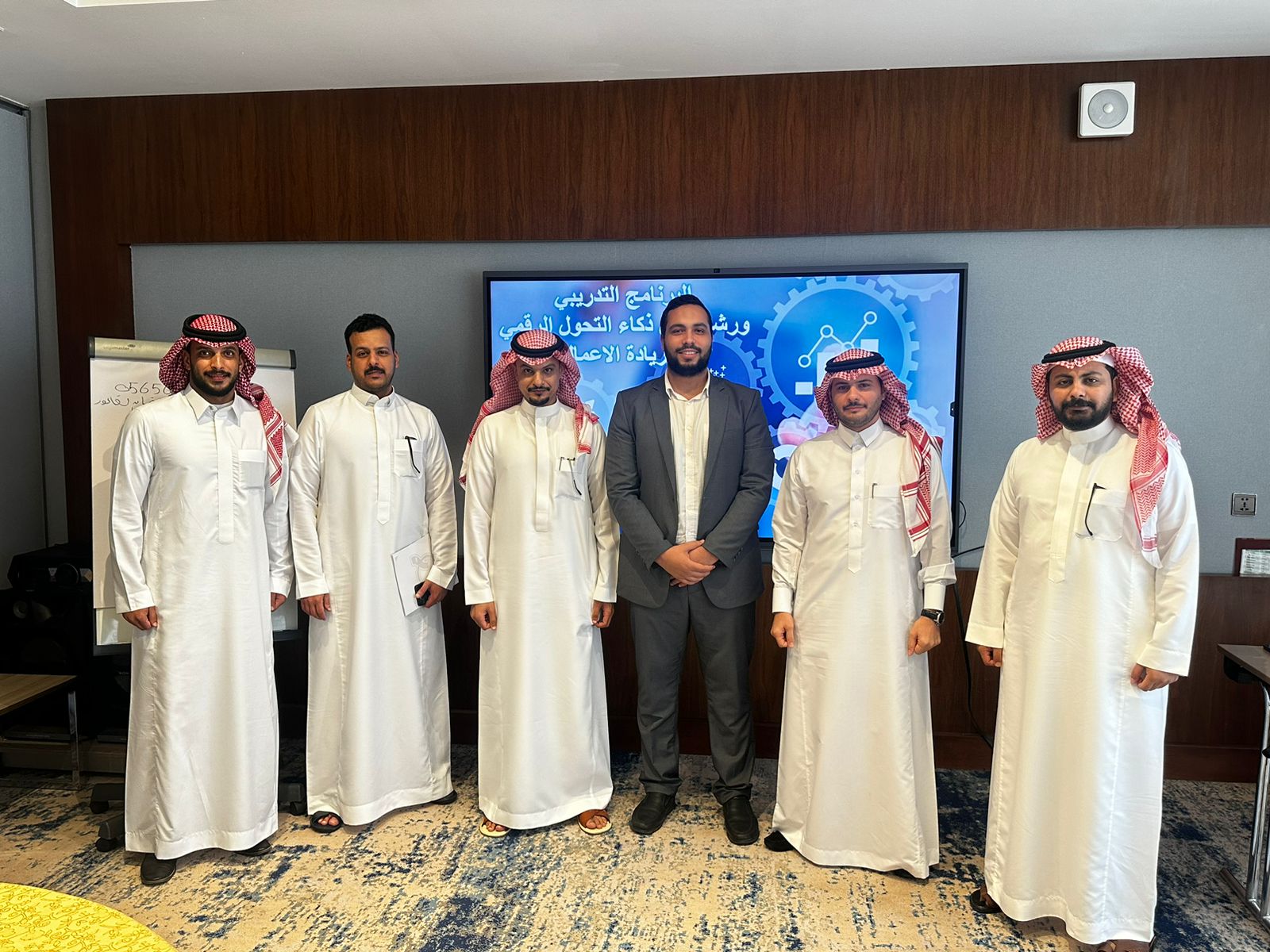
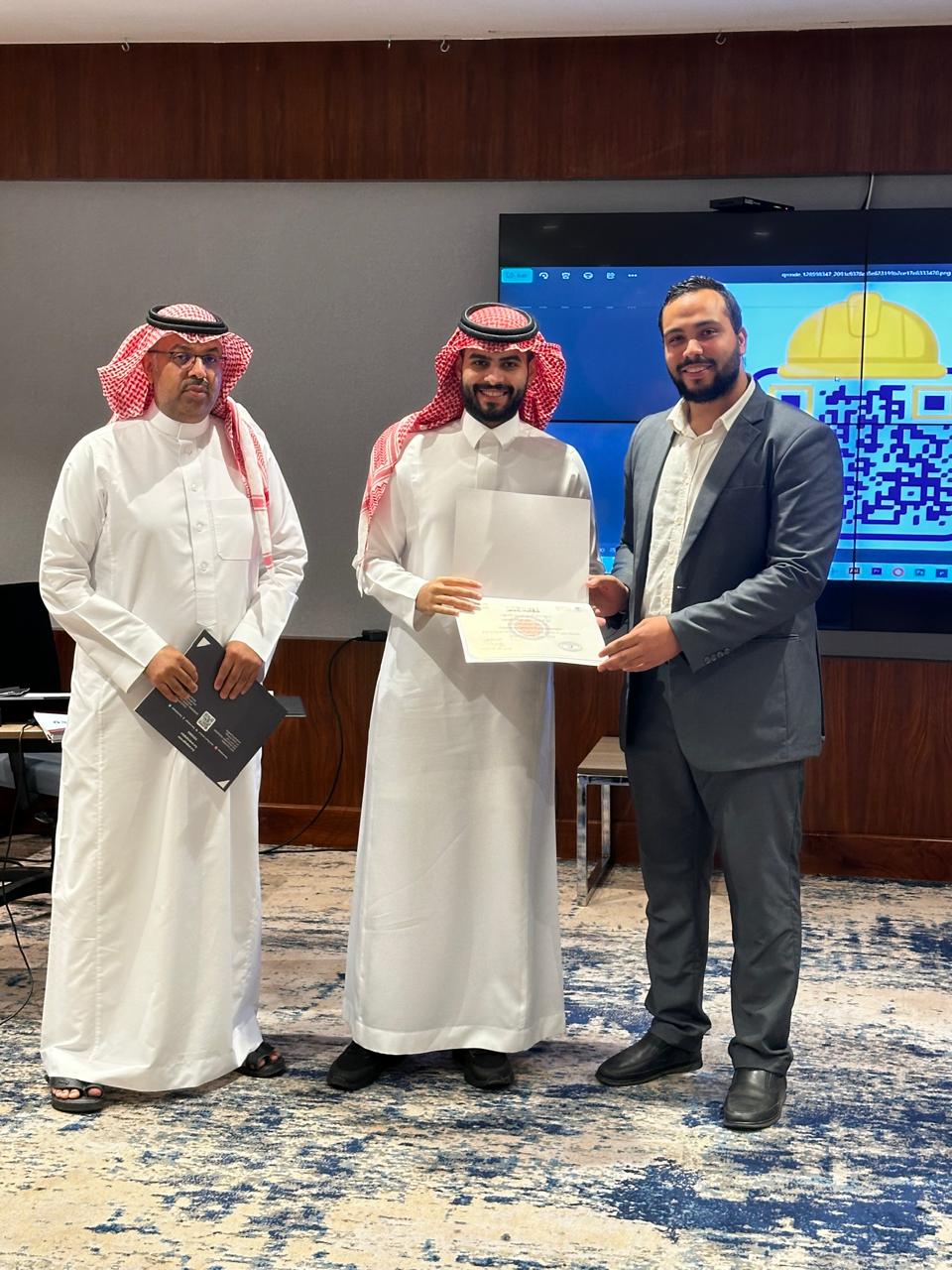
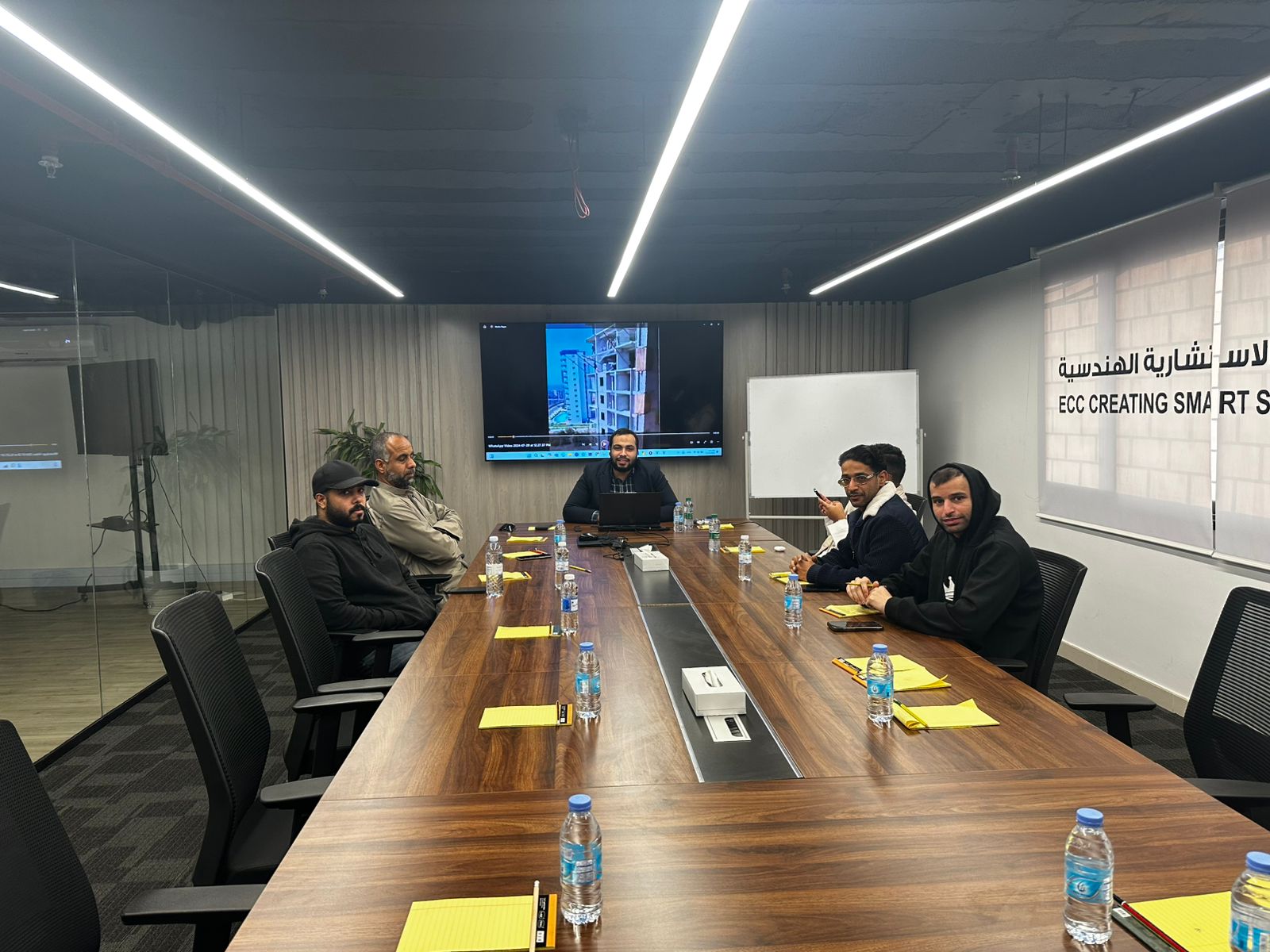
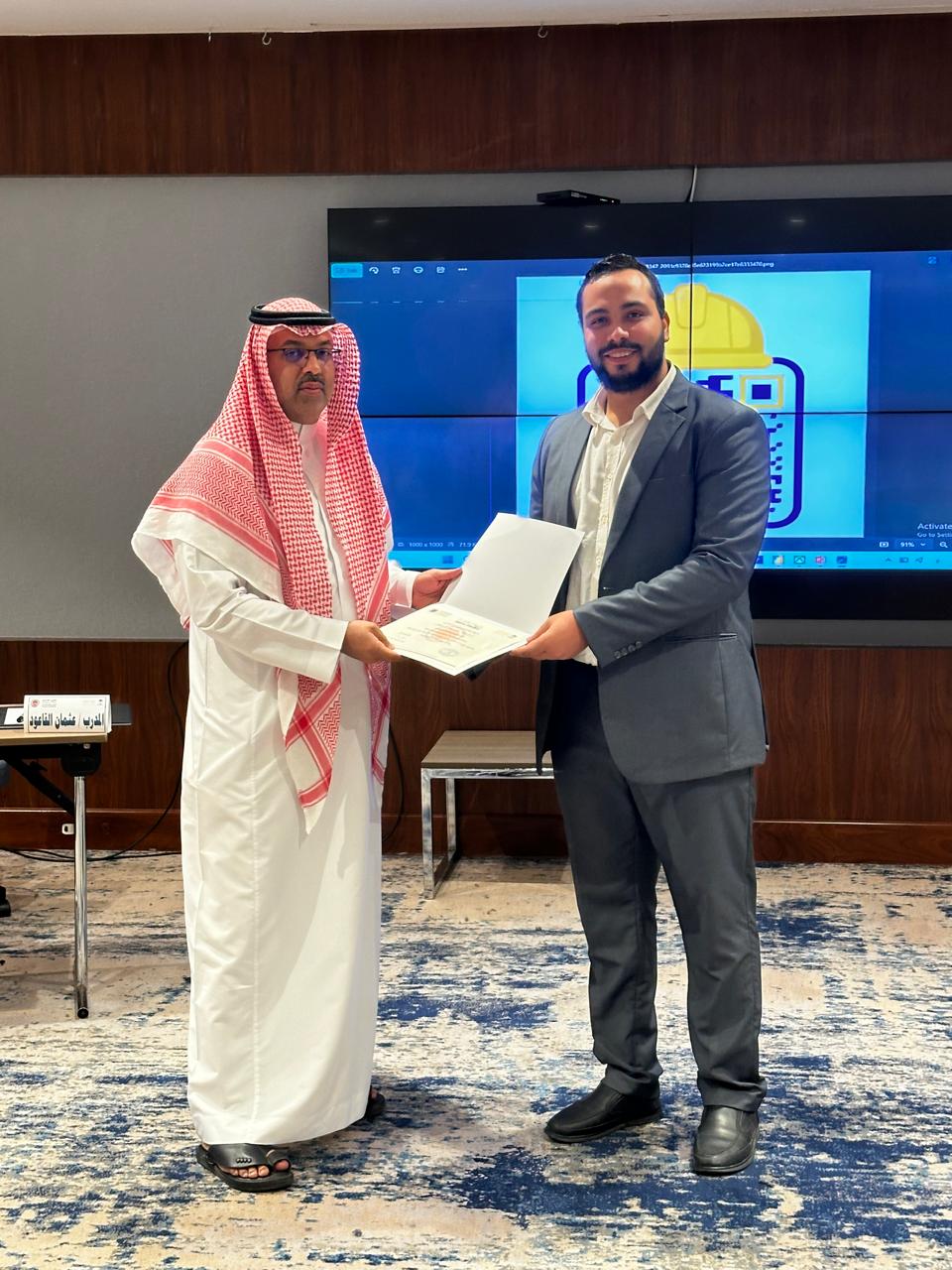
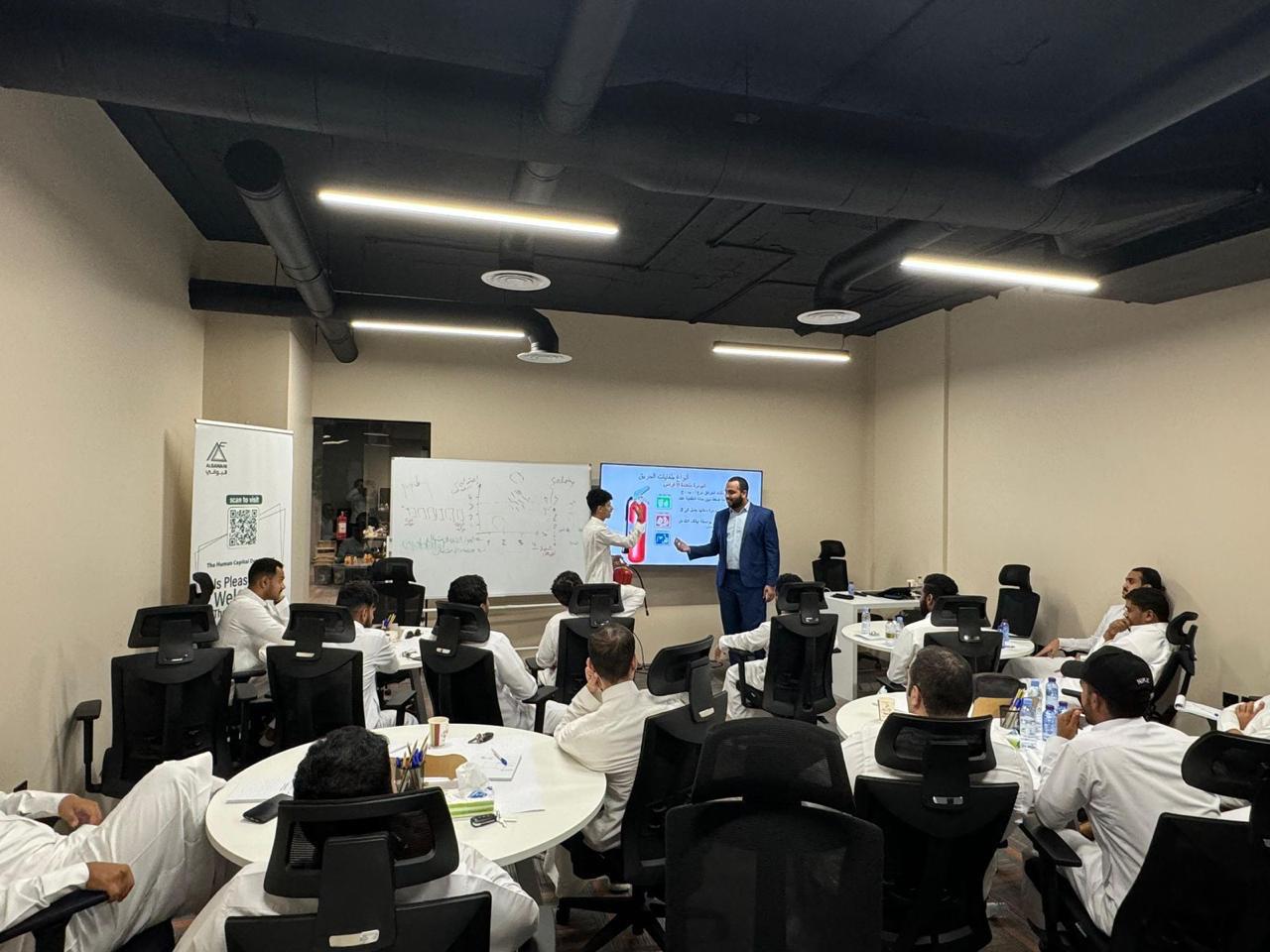
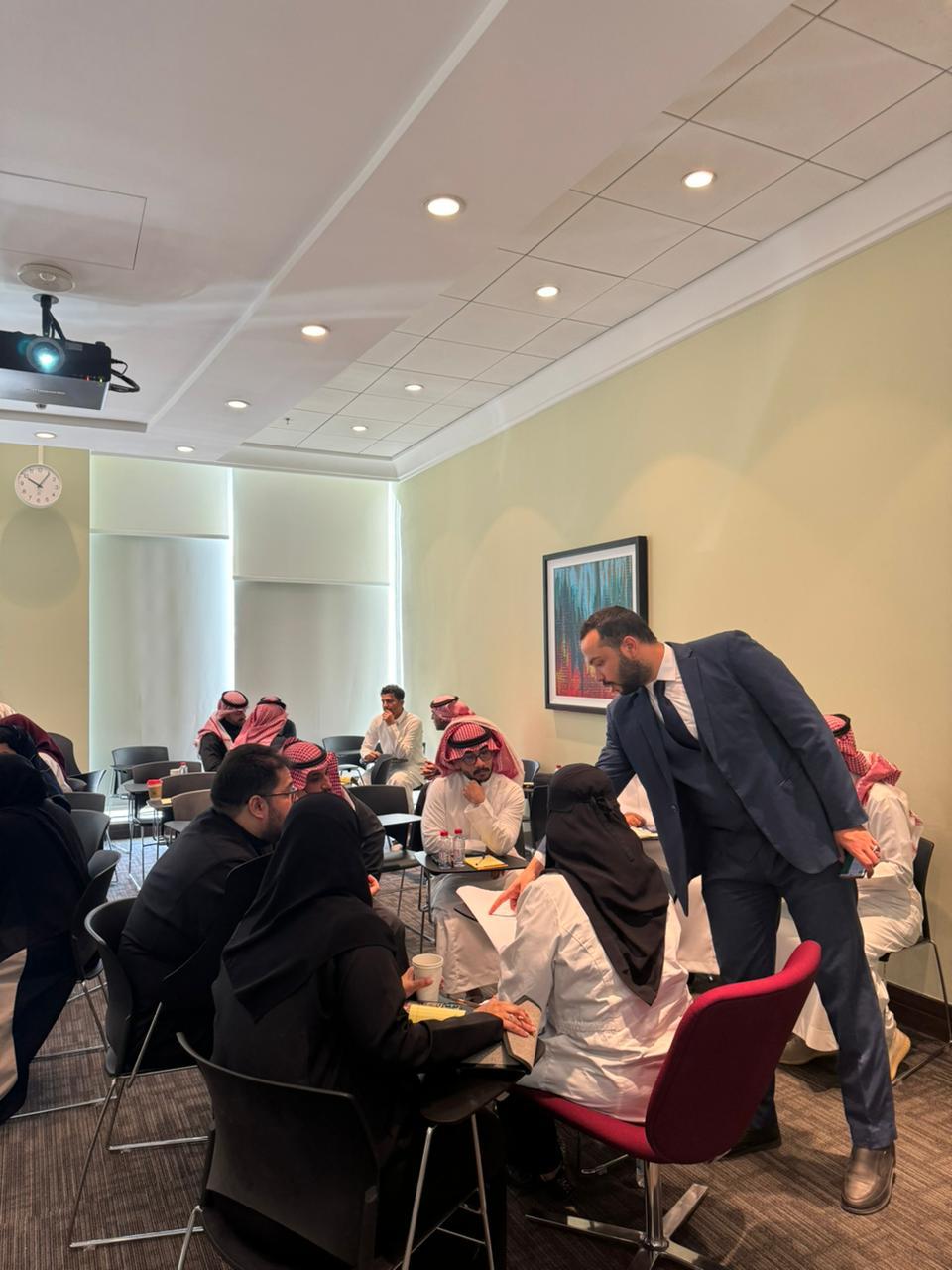
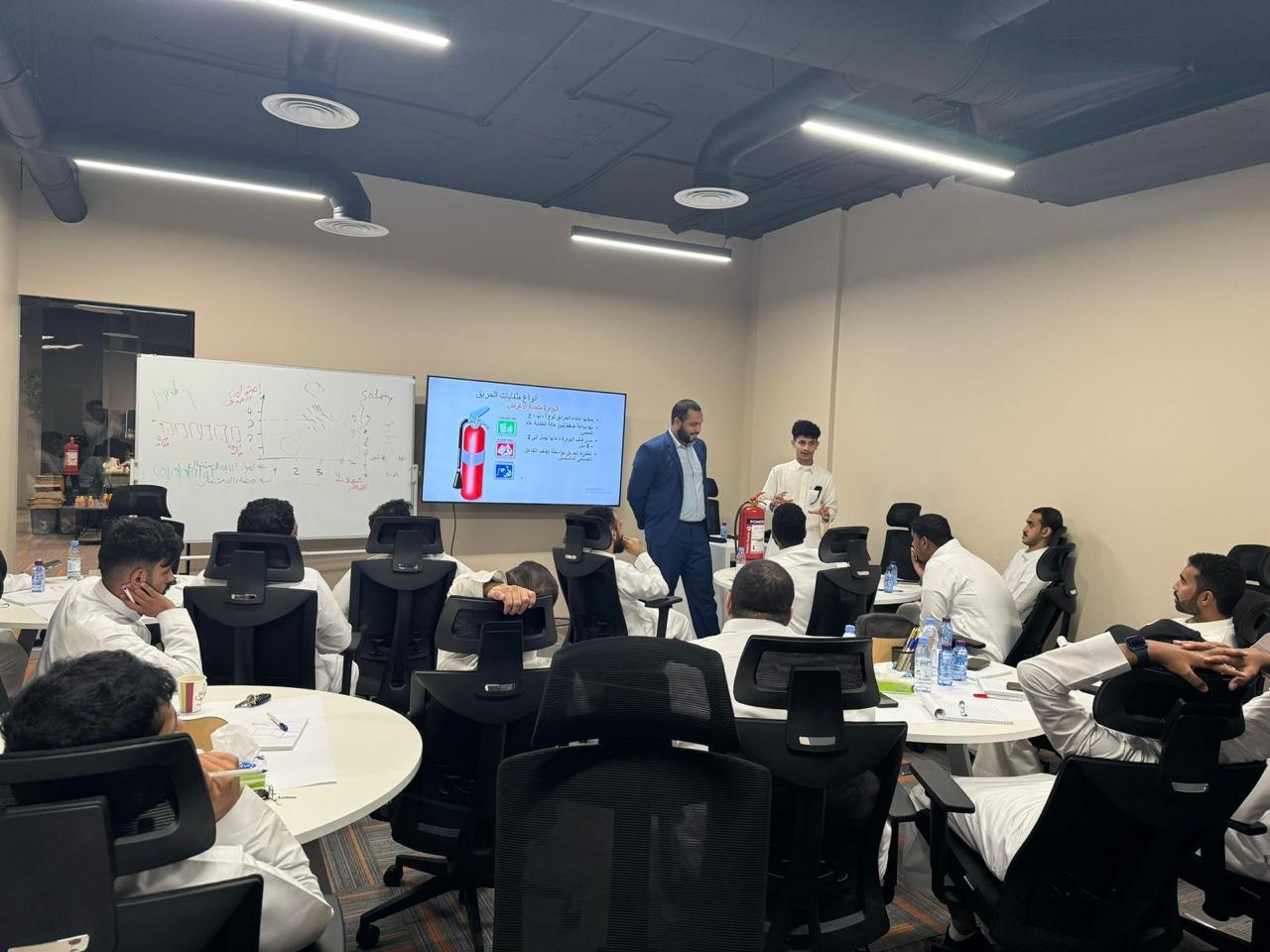
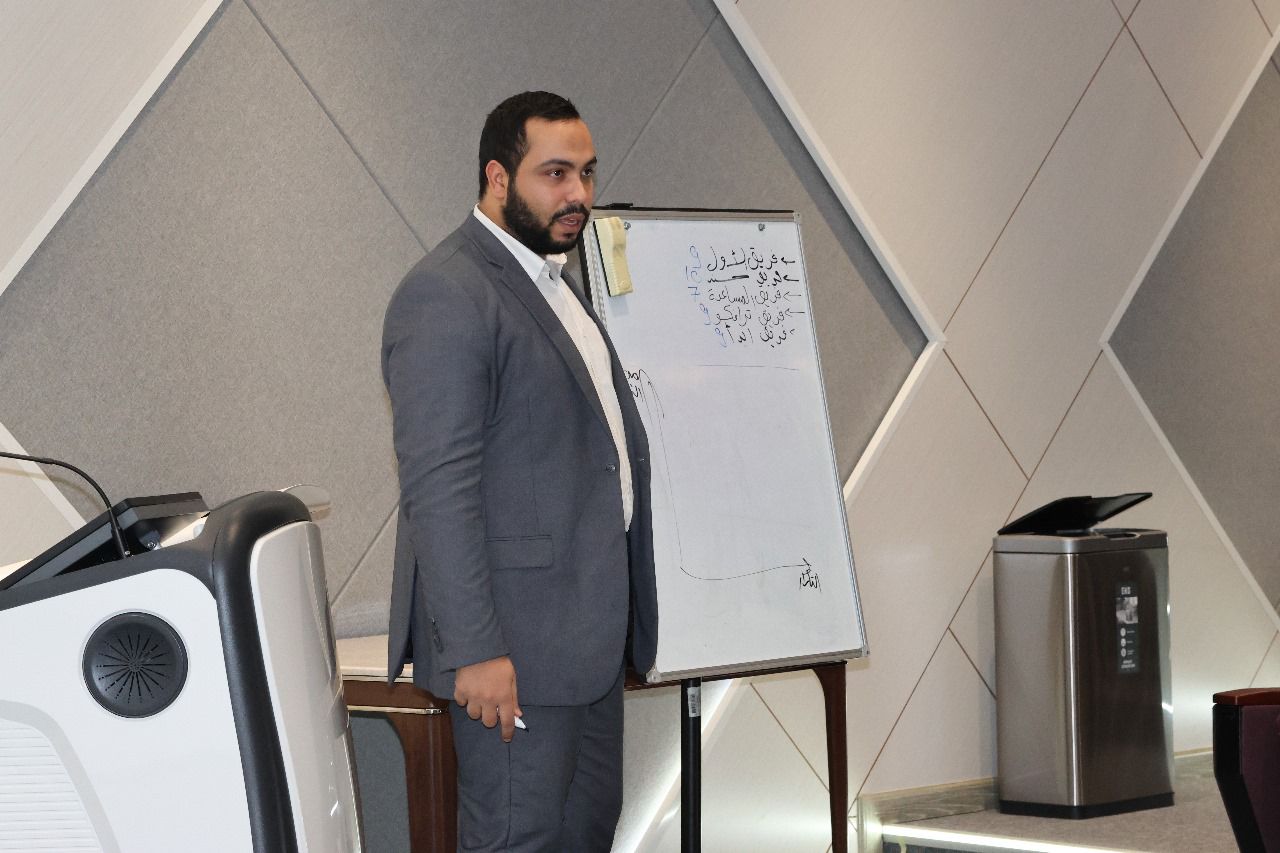
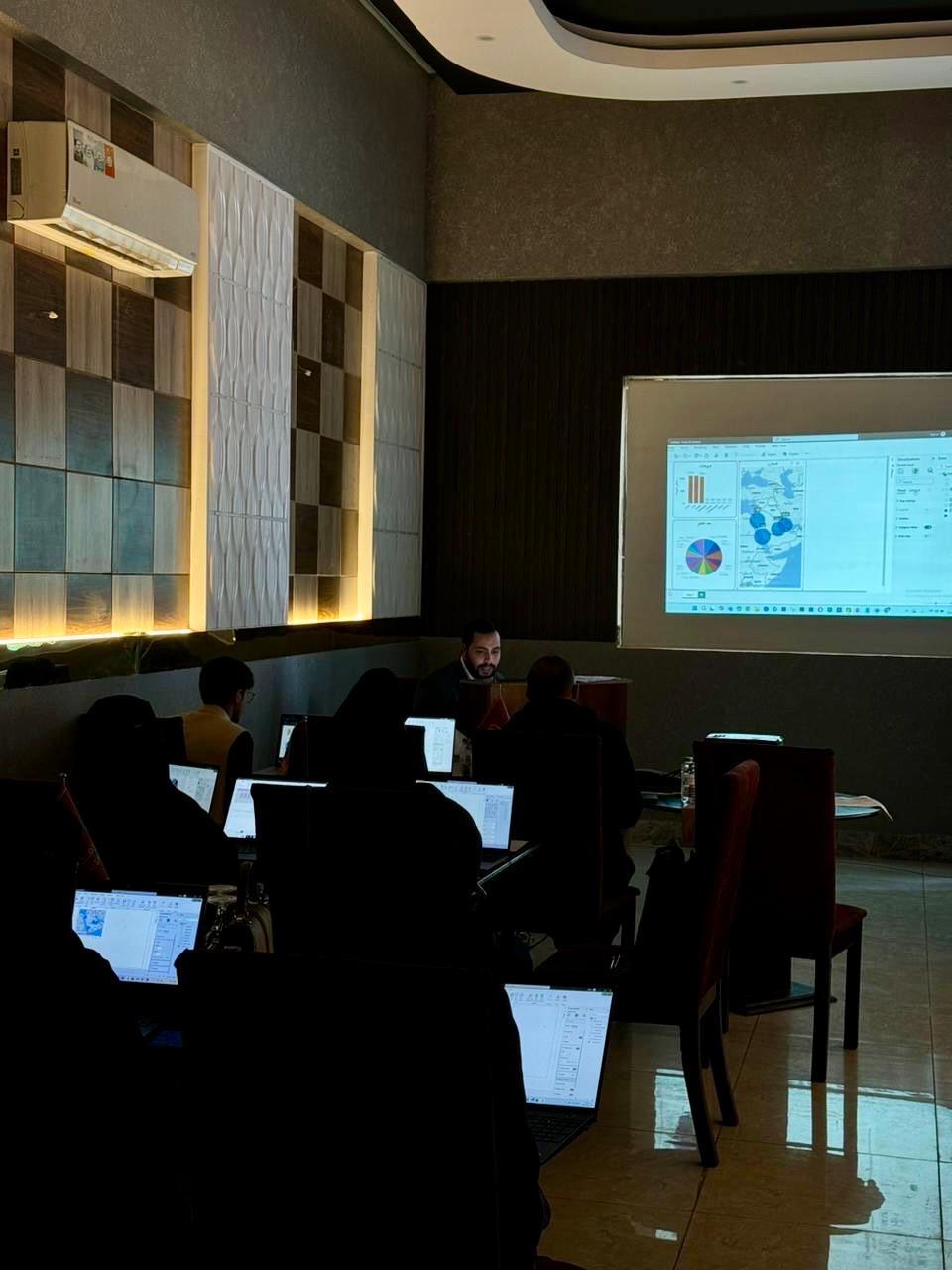
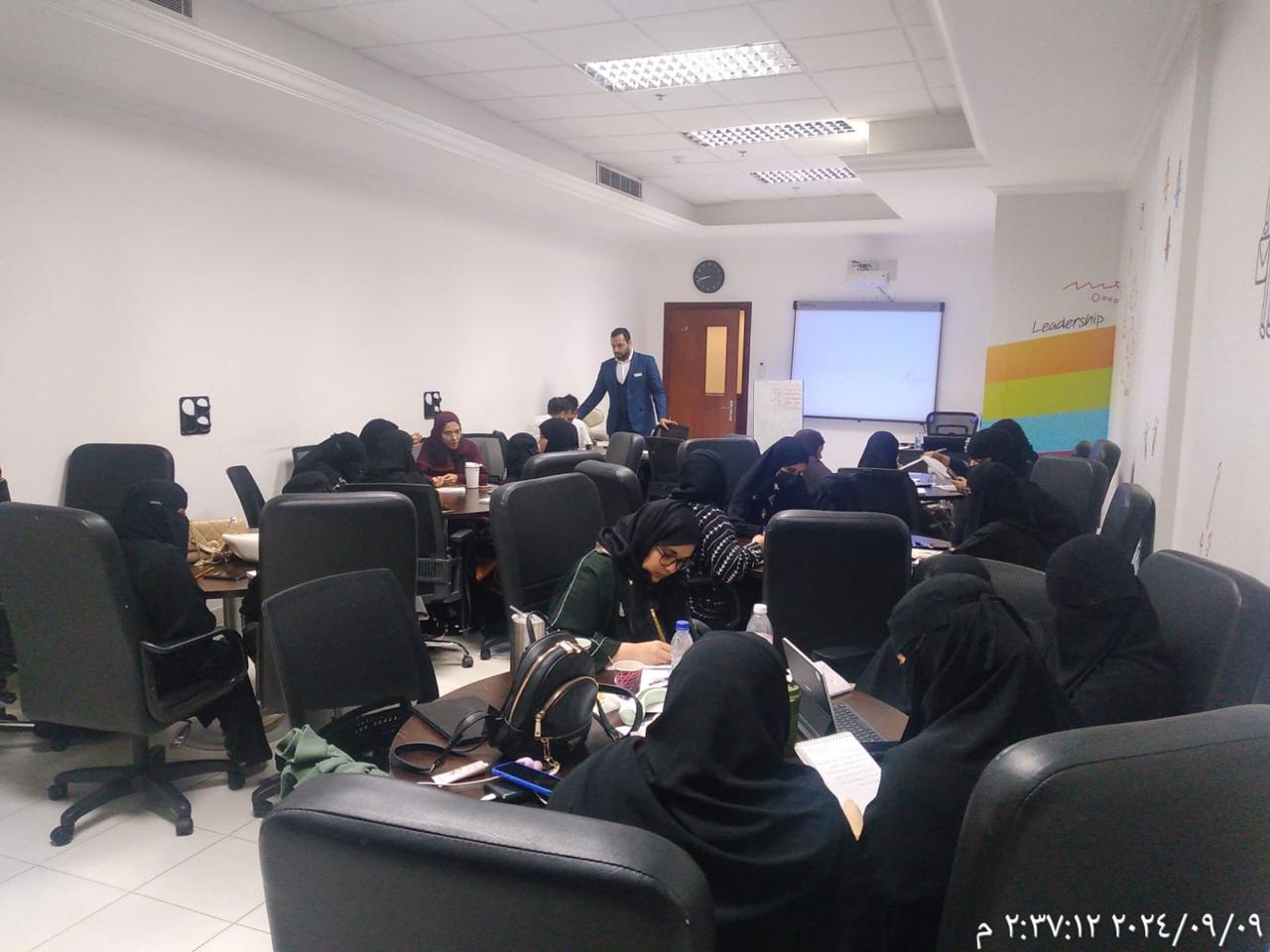
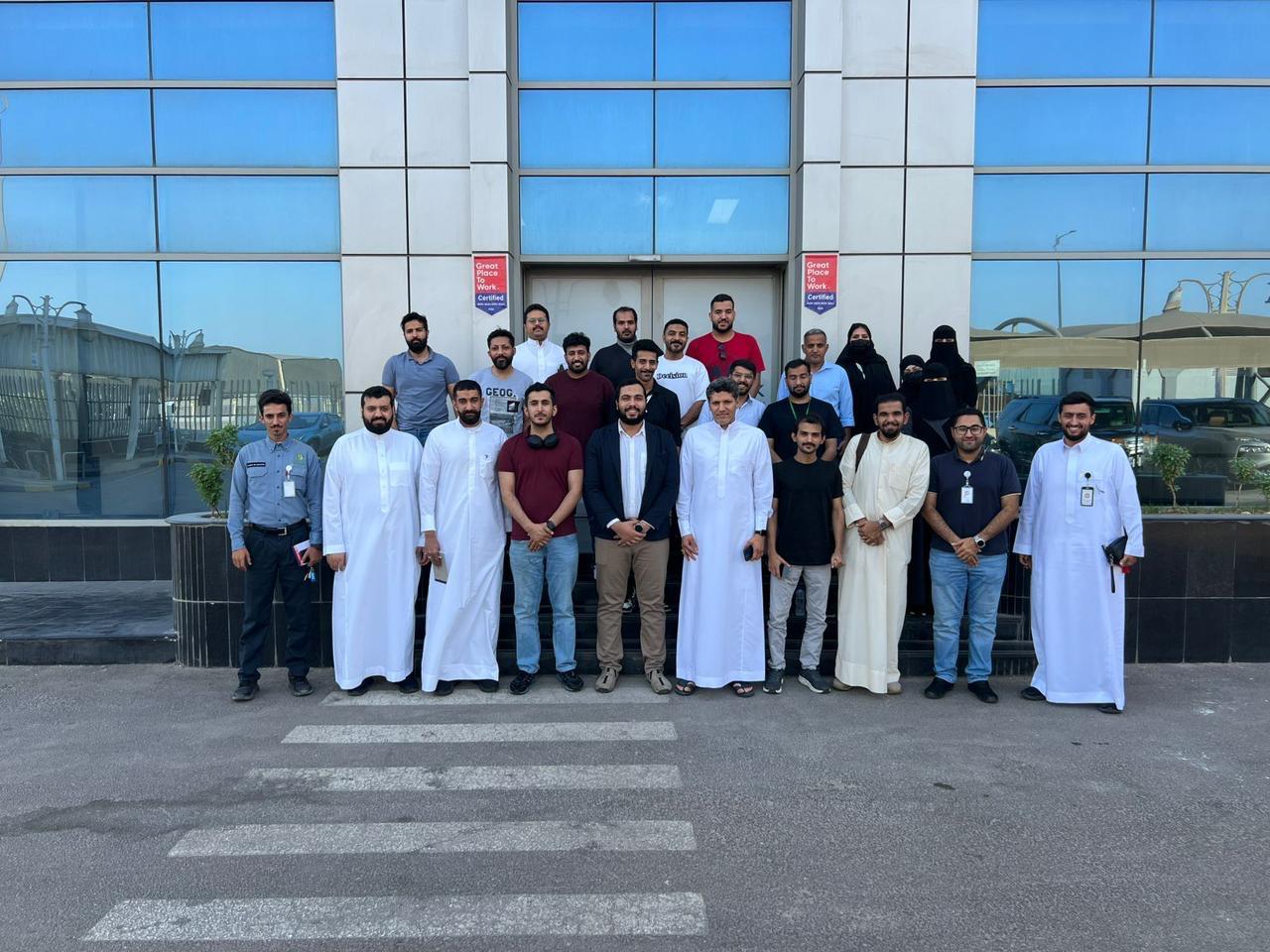
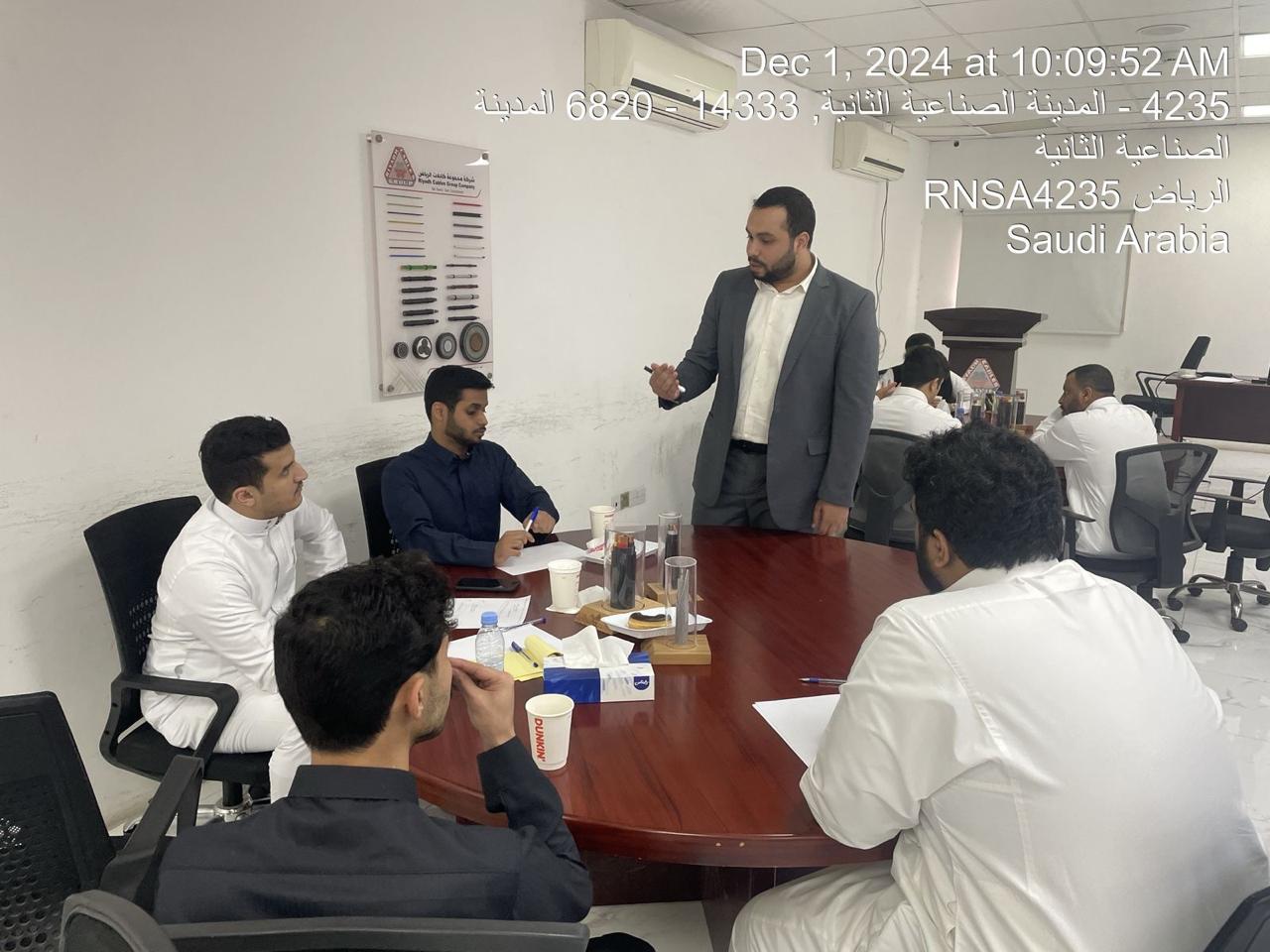
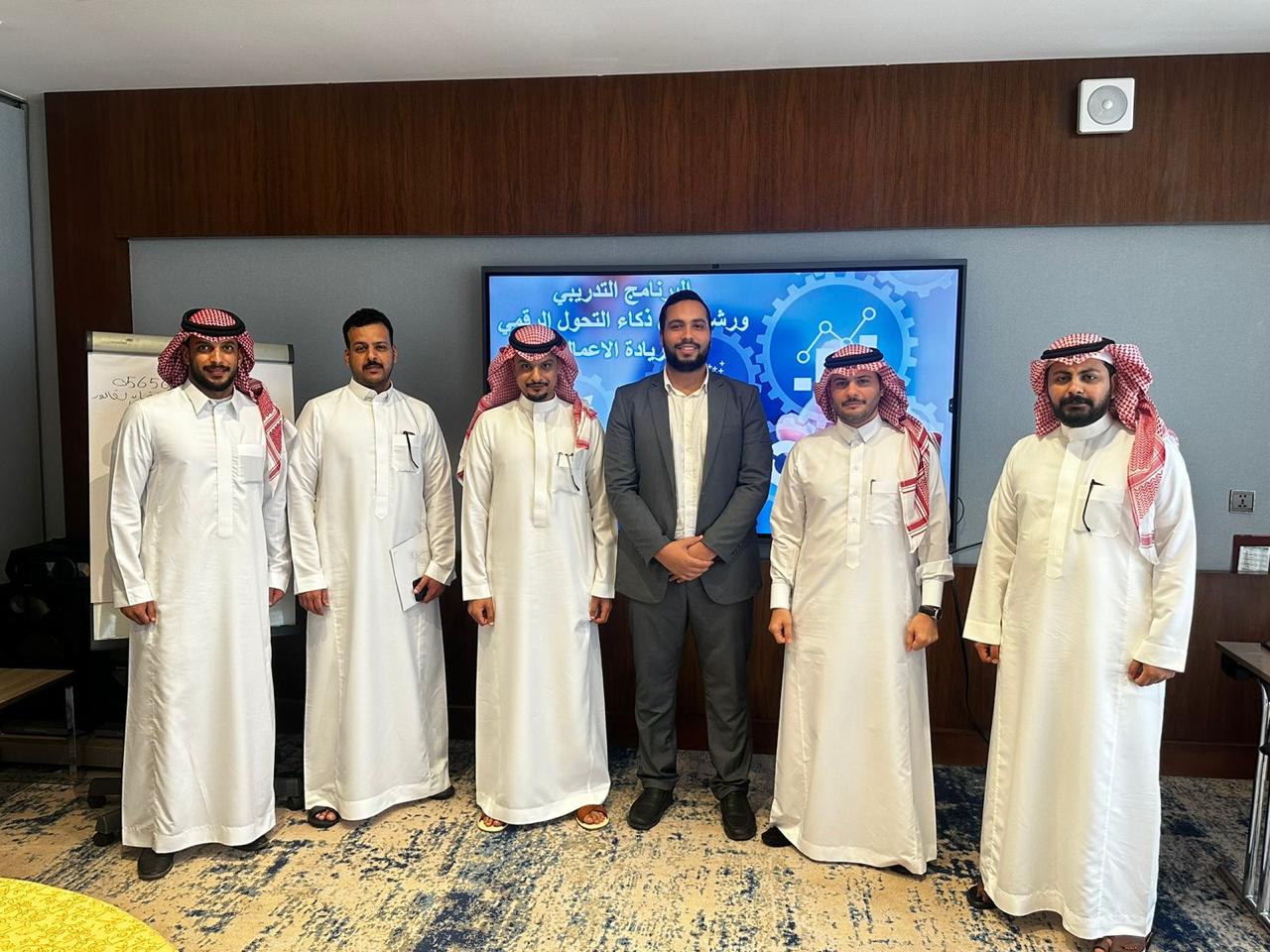
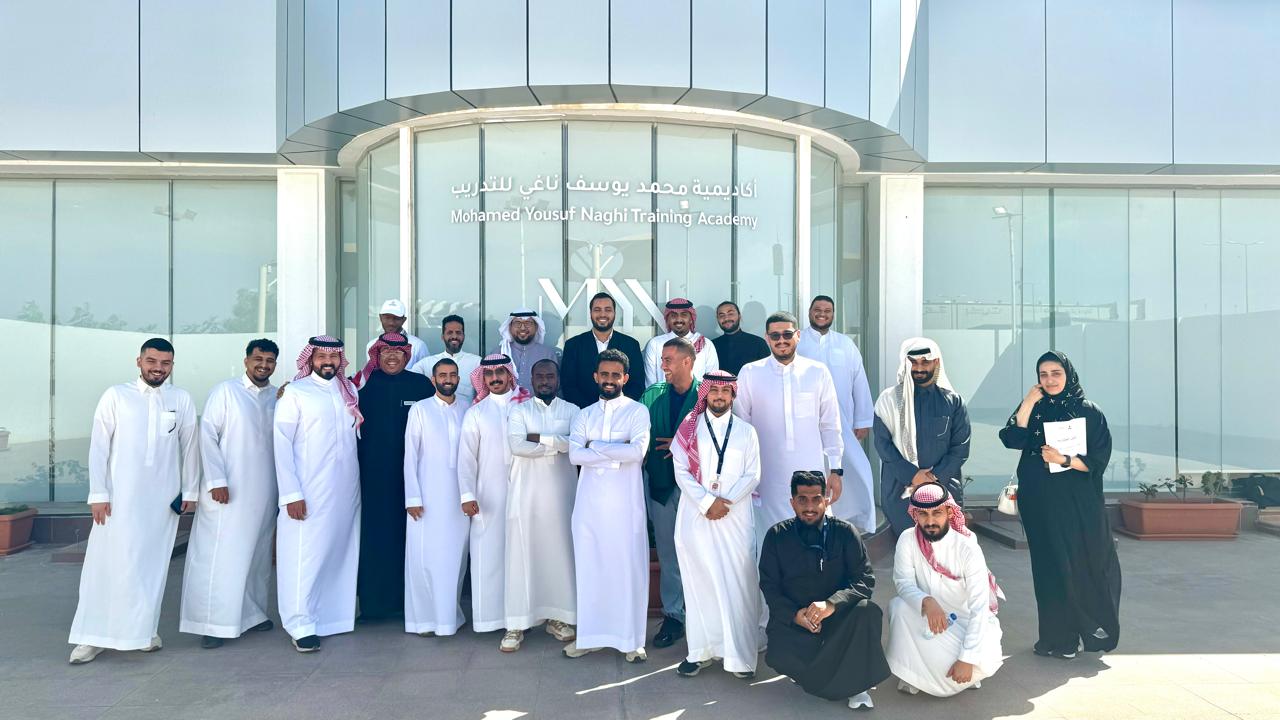
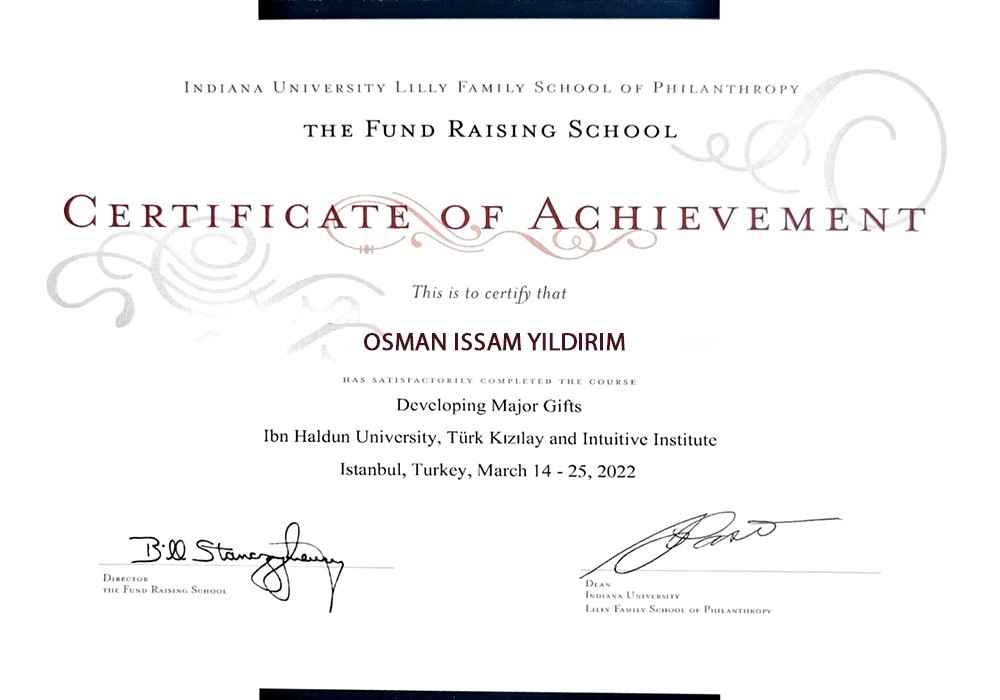
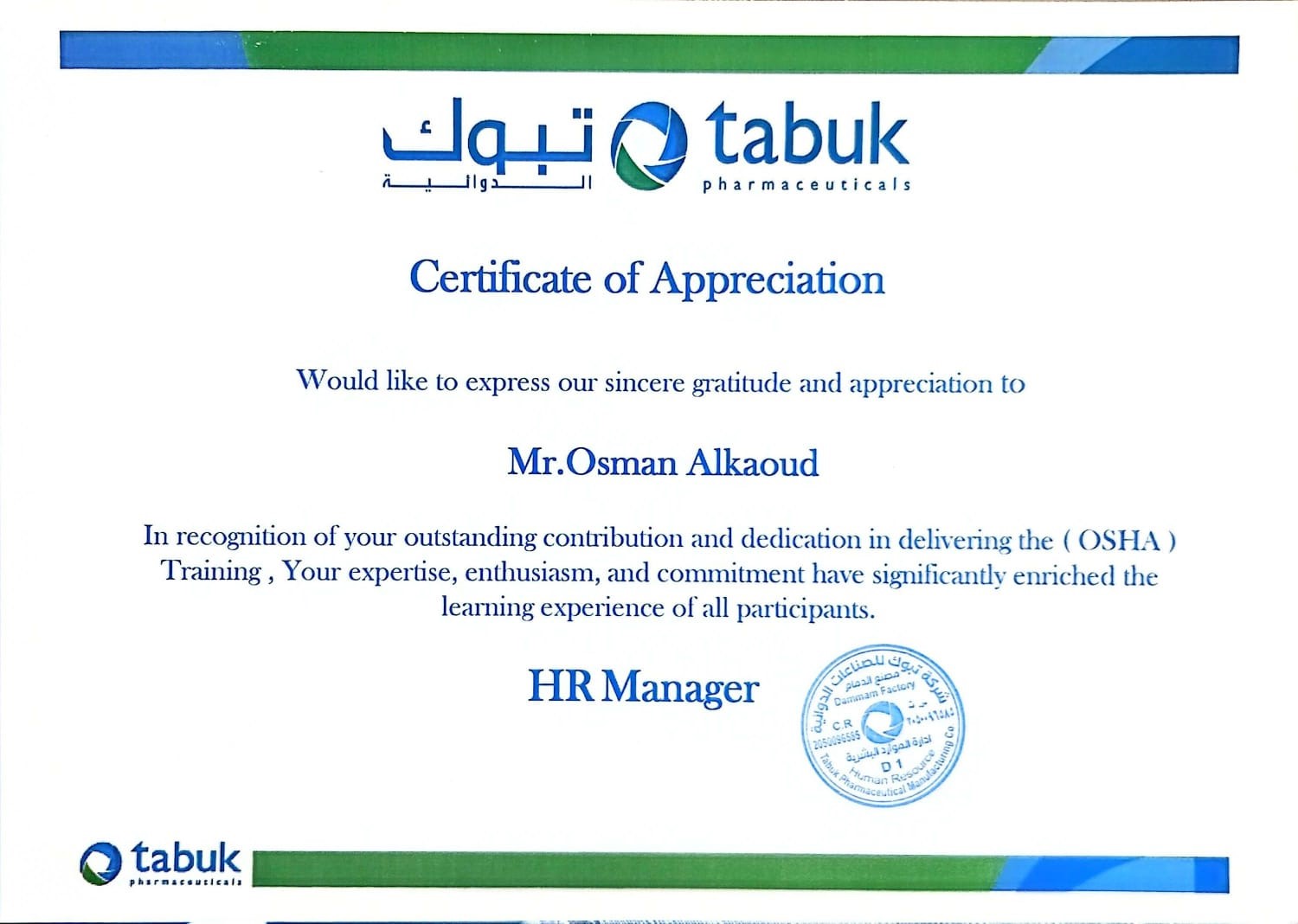
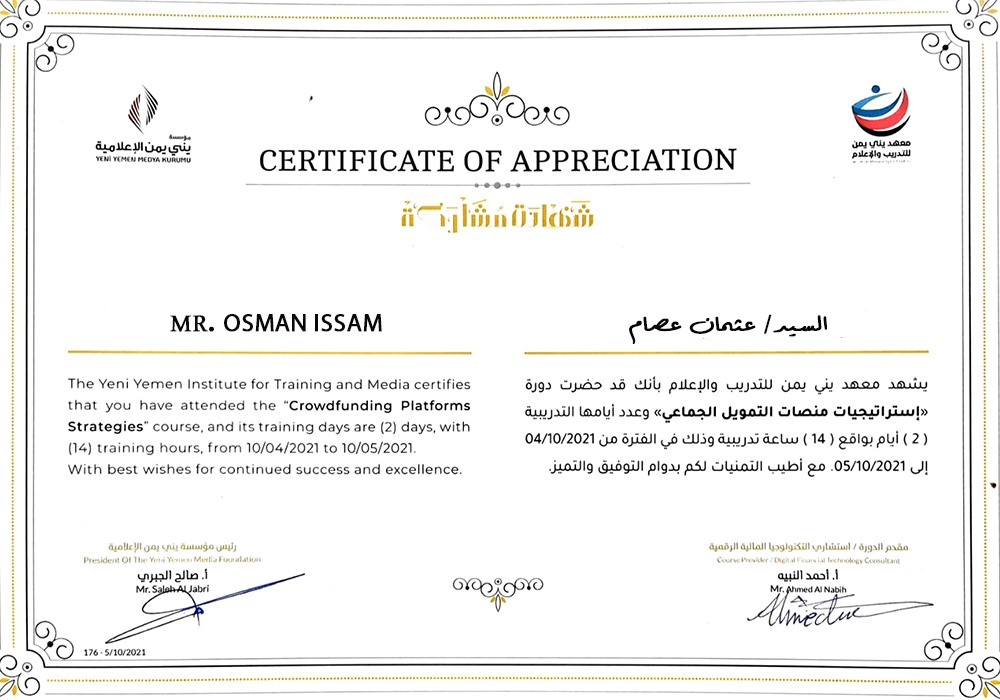
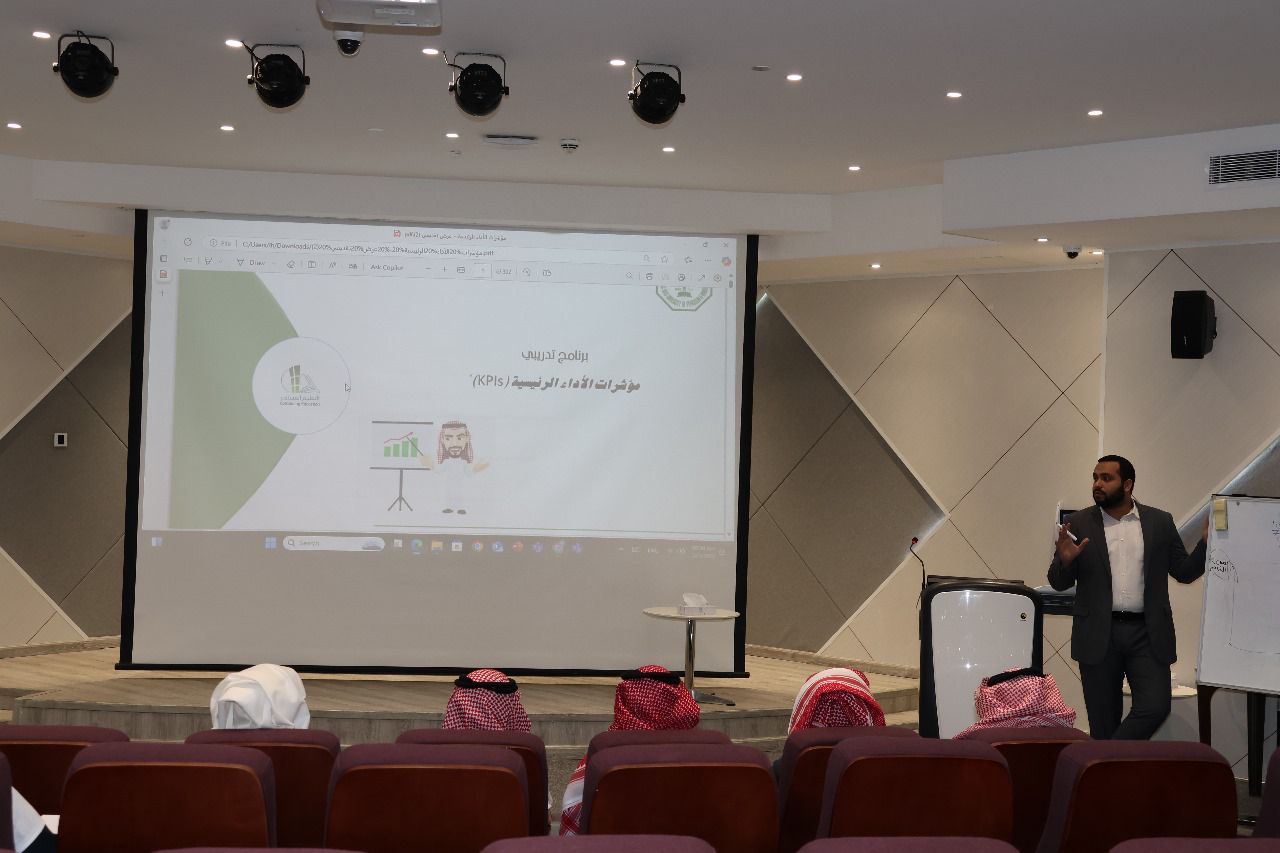
I am a certified trainer specializing in management sciences, business analysis, and data analytics with over seven years of experience. I have trained more than two thousand students through interactive and virtual sessions across multiple countries, delivering engaging and practical learning tailored to diverse professional and cultural backgrounds.

Education

*  Mechatronics Engineering                        Mansoura University  – Egypt

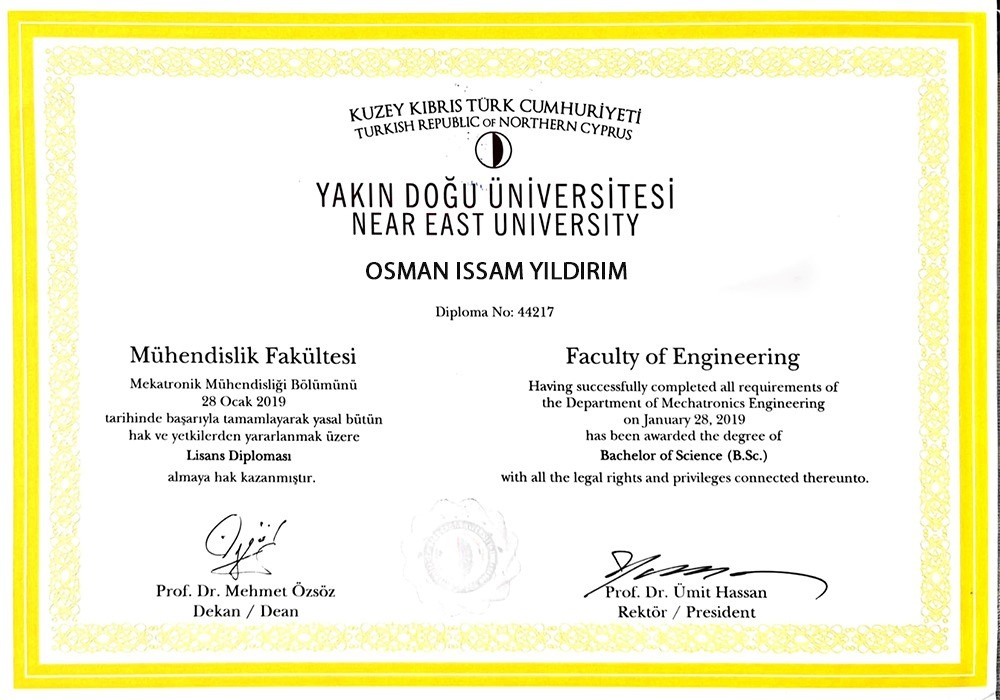
*   Mechatronics Engineering                        Near East University – Cyprus

Experiences

Trainer  and Developer  (Kingdom Of Saudi Arabia – Turkey)

  • 2022 – Present

Training And Development Department (Musafer Real Estate and Tourism Company – Turkey – Saudi Arabia)
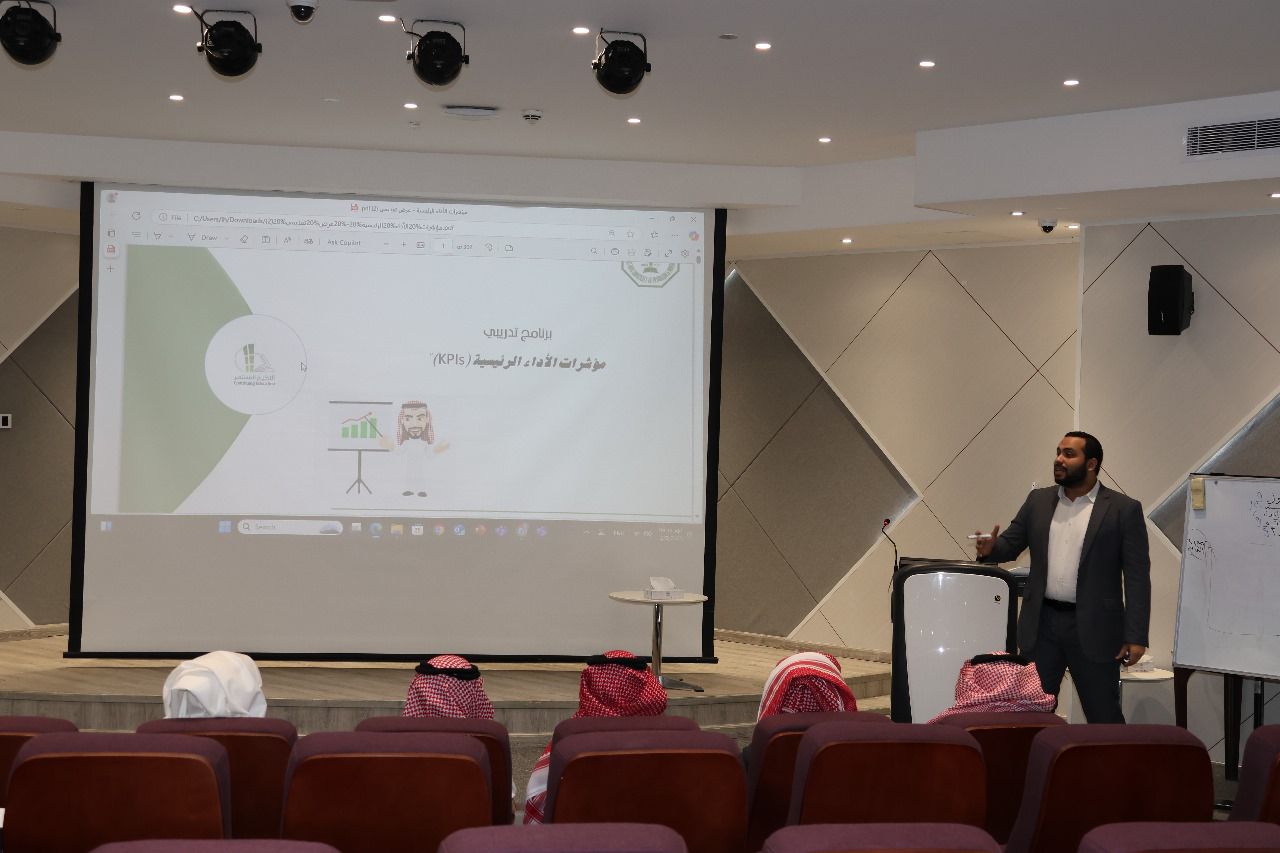
  • 2021 – Present

Media and Marketing department manager (International Development Agency – Istanbul/Turkey) – (Jevar Foundation – Istanbul/Turkey)
  • 2020-2021

Co-Founder and Trainer (Digital Mind Robotics and Engineering Company – Istanbul/Turkey)

  • 2019-2020

Teacher and Trainer  (NEAR EAST UNIVERSITY – NICOSIA/CYPRUS)

  • 2017-2019

Languages

Arabic
English
Turkish

Nationality

Egyptian – Turkish
Muslim

Courses

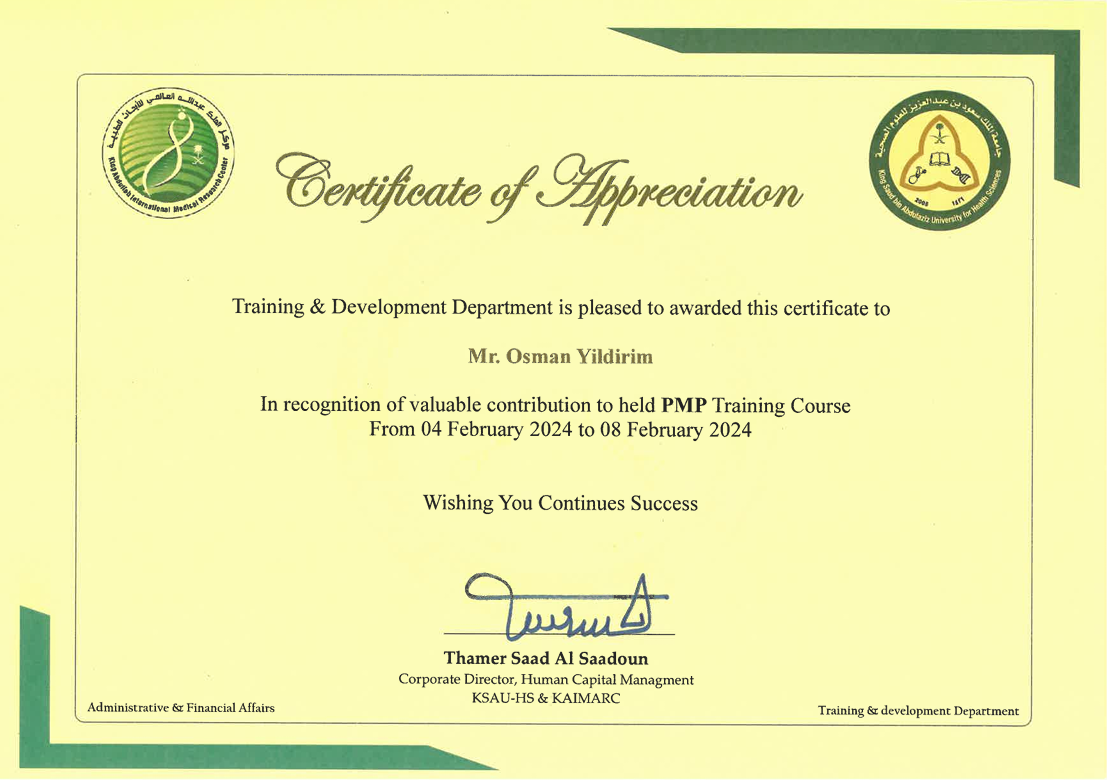
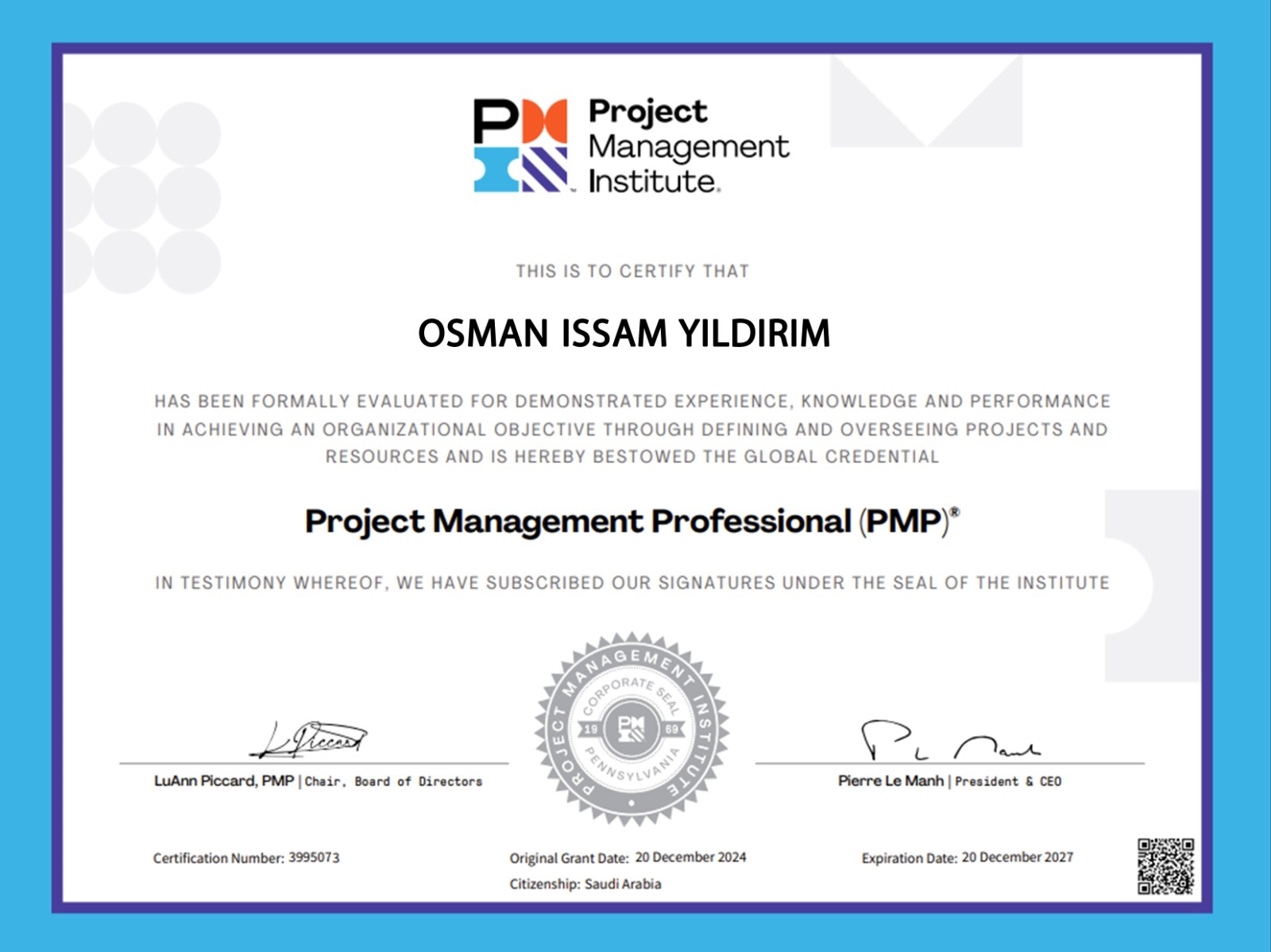
PMP – Project Management Professional

  1. Introduction to project management and PMI standards
  2. Project life cycle vs. product life cycle
  3. Project organizational structures and team roles
  4. The five process groups (Initiating to Closing)
  5. Developing a project charter
  6. Scope management and requirements gathering
  7. Creating the Work Breakdown Structure (WBS)
  8. Time management and scheduling techniques
  9. Estimating activity durations and resources
  10. Cost management and earned value analysis (EVM)
  11. Quality planning and assurance
  12. Resource management and team leadership
  13. Communication planning and information distribution
  14. Risk identification, analysis, and response planning
  15. Procurement processes and contract management
  16. Stakeholder analysis and engagement
  17. Project planning tools (Gantt charts, PERT, etc.)
  18. Ethics and professional responsibility
  19. Agile, Scrum, and hybrid project environments
  20. PMP exam preparation and practice strategies

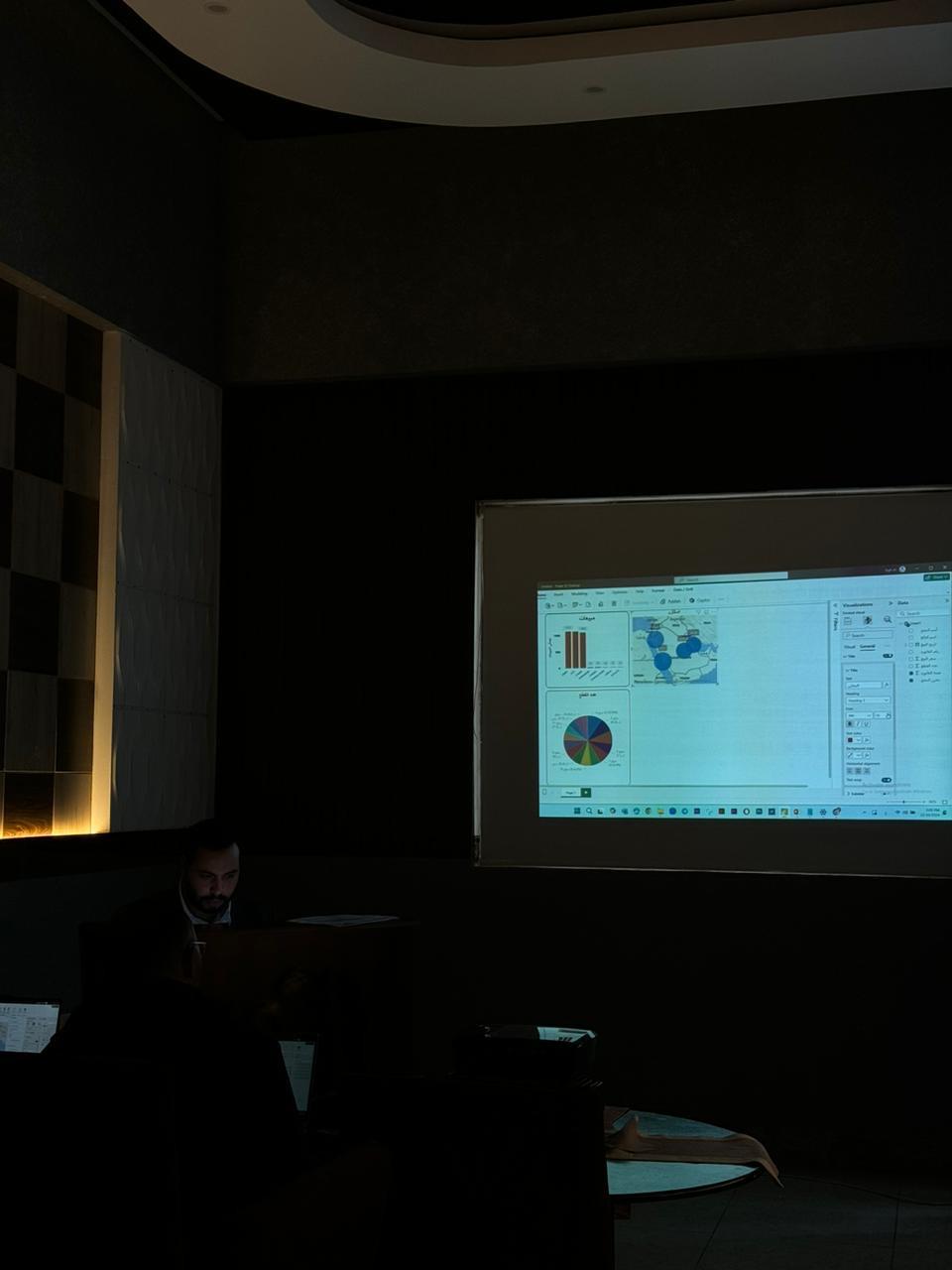
Data Analysis

  1. Introduction to data analysis and its importance
  2. Types of data (qualitative vs. quantitative)
  3. Data collection methods and sampling
  4. Data cleaning and validation
  5. Descriptive statistics (mean, median, mode)
  6. Data visualization and basic charts
  7. Exploratory Data Analysis (EDA)
  8. Inferential statistics and hypothesis testing
  9. Correlation and regression analysis
  10. Time series analysis basics
  11. Using Excel for data analysis
  12. Introduction to statistical tools (SPSS, R, Python)
  13. Pivot tables and dashboards
  14. Advanced data visualization techniques
  15. Data-driven decision making
  16. Identifying patterns and trends
  17. Storytelling with data
  18. Common errors in data interpretation
  19. Ethical considerations in data usage
  20. Real-life data analysis case studies

Digital Transformation

  1. Introduction to digital transformation
  2. Digital vs. traditional business models
  3. The role of leadership in digital change
  4. Digital maturity models and assessments
  5. Key technologies driving transformation (AI, IoT, cloud, etc.)
  6. Developing a digital transformation roadmap
  7. Agile and lean methodologies in digital initiatives
  8. Data as a strategic asset
  9. Customer experience in the digital era
  10. Change management strategies for digital adoption
  11. Cybersecurity and data privacy considerations
  12. Cloud computing and migration strategies
  13. Integrating legacy systems with modern platforms
  14. KPIs for digital transformation success
  15. Employee engagement in digital change
  16. Innovation management and ideation techniques
  17. Governance models for digital projects
  18. Case studies of successful digital transformations
  19. Common challenges and how to overcome them
  20. Future trends in digital transformation

Digital Marketing

  1. Introduction to digital marketing channels
  2. Search Engine Optimization (SEO) basics
  3. Pay-per-click (PPC) advertising strategies
  4. Email marketing and automation tools
  5. Content marketing strategy development
  6. Social media platforms and ad management
  7. Customer segmentation and targeting
  8. A/B testing for campaigns
  9. Web analytics and performance tracking
  10. Creating marketing funnels
  11. Video marketing and YouTube SEO
  12. Influencer and affiliate marketing
  13. Mobile marketing strategies
  14. Marketing automation tools (e.g., HubSpot)
  15. Copywriting for digital platforms
  16. Data privacy and GDPR in marketing
  17. Conversion rate optimization (CRO)
  18. Marketing KPIs and ROI tracking
  19. Omnichannel marketing strategy

Case studies and campaign analysis

Office Programs

  1. Overview of Microsoft Office Suite
  2. Word basics: formatting, styles, and templates
  3. Advanced Word: tables, references, and mail merge
  4. Excel fundamentals: formulas and functions
  5. Advanced Excel: PivotTables, VLOOKUP, and IF statements
  6. Excel charts and data visualization
  7. Introduction to PowerPoint and slide design
  8. Creating impactful presentations
  9. Using animations and transitions in PowerPoint
  10. Outlook email management and scheduling
  11. Calendar, tasks, and meeting features in Outlook
  12. OneNote for note-taking and collaboration
  13. Using SharePoint and Teams integration
  14. File management and cloud storage with OneDrive
  15. Office productivity tips and shortcuts
  16. Data security and privacy in Office tools
  17. Collaboration tools and real-time editing
  18. Converting documents between formats
  19. Macros and automation basics in Excel
  20. Office 365 vs. Desktop Office: key differences

Soft Skills

  1. Emotional intelligence and self-awareness
  2. Time management and prioritization
  3. Problem-solving and decision-making
  4. Critical thinking and analytical skills
  5. Creativity and innovation in the workplace
  6. Teamwork and collaboration
  7. Leadership and influence
  8. Adaptability and resilience
  9. Conflict management techniques
  10. Stress management and work-life balance
  11. Positive attitude and professional behavior
  12. Self-confidence and assertiveness
  13. Goal setting and motivation
  14. Interpersonal skills and empathy
  15. Presentation and public speaking
  16. Negotiation and persuasion
  17. Listening and feedback skills
  18. Networking and relationship building
  19. Accountability and responsibility
  20. Continuous personal development

Disaster Risk and Crisis Management

  1. Introduction to disaster and crisis management
  2. Types of disasters: natural and man-made
  3. Risk assessment and vulnerability analysis
  4. Disaster preparedness planning
  5. Emergency response protocols
  6. Crisis communication strategies
  7. Business continuity planning (BCP)
  8. Incident command systems (ICS)
  9. Early warning systems and technology
  10. Evacuation planning and drills
  11. Stakeholder roles in crisis situations
  12. Psychological first aid and trauma response
  13. Post-disaster recovery planning
  14. Legal and ethical aspects of crisis management
  15. Supply chain resilience and logistics
  16. Risk mitigation strategies
  17. Crisis simulation exercises
  18. Monitoring, evaluation, and learning post-crisis
  19. International standards
  20. Real-world disaster case studies

Strategic Planning

  1. Fundamentals of strategic planning
  2. Vision, mission, and core values
  3. Environmental scanning: PESTLE analysis
  4. Internal analysis using SWOT
  5. Porter’s Five Forces framework
  6. Setting SMART objectives
  7. Key Performance Indicators (KPIs)
  8. Gap analysis and strategic alignment
  9. Balanced Scorecard methodology
  10. Strategy map development
  11. Resource allocation and prioritization
  12. Scenario planning and forecasting
  13. Organizational structure and strategy
  14. Strategy execution and change management
  15. Monitoring and evaluation mechanisms
  16. Performance measurement systems
  17. Innovation and strategic agility
  18. Culture alignment with strategic goals
  19. Risk management in strategic planning
  20. Case studies of successful strategic plans

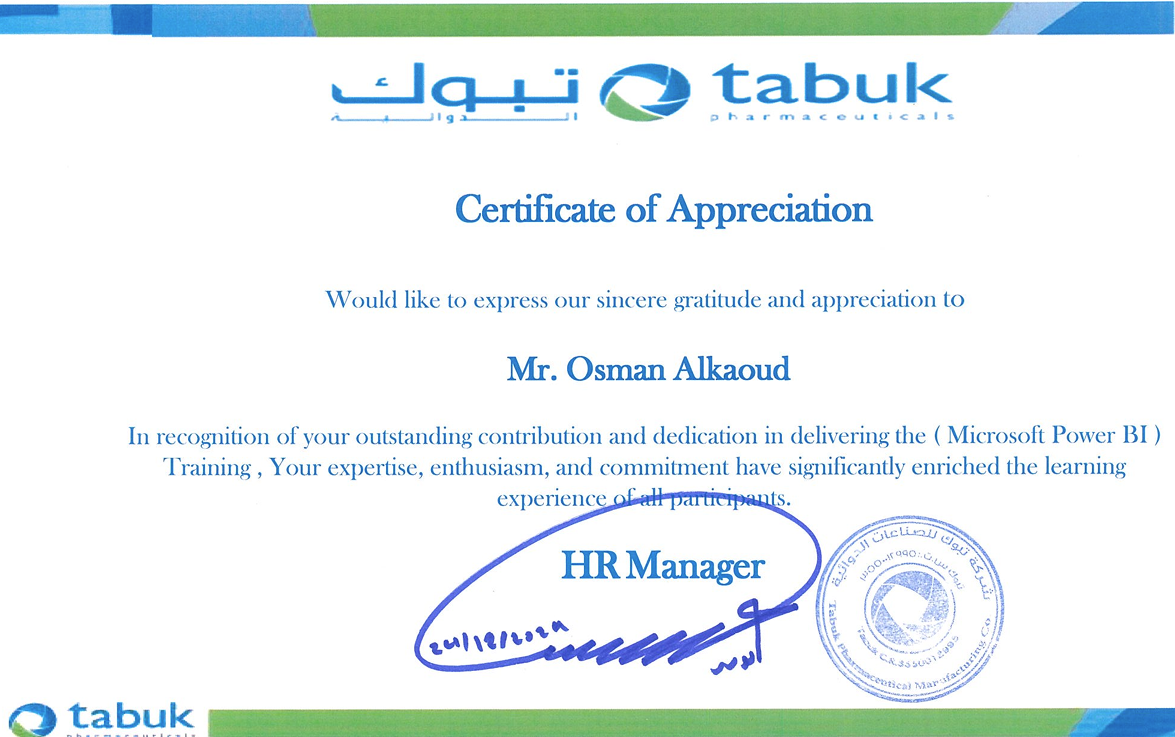
Power BI

  1. Overview of Power BI tools and interface
  2. Connecting Power BI to various data sources
  3. Data loading and transformation with Power Query
  4. Data modeling and relationship creation
  5. Introduction to DAX (Data Analysis Expressions)
  6. Creating calculated columns and measures
  7. Visualizing data with charts and graphs
  8. Interactive dashboards and slicers
  9. Filters, drilldowns, and hierarchies
  10. Building KPI indicators
  11. Using bookmarks and navigation in reports
  12. Publishing and sharing reports on Power BI Service
  13. Automating data refresh schedules
  14. Row-level security and user access control
  15. Performance optimization for large datasets
  16. Natural language queries (Q&A)
  17. Integrating Power BI with Excel
  18. Custom visuals and third-party apps
  19. Mobile view design and accessibility
  20. Real-world Power BI project development

Business Intelligence (BI)

  1. Introduction to business intelligence
  2. The role of BI in decision-making
  3. Components of BI systems (ETL, DW, reporting)
  4. Data warehousing fundamentals
  5. ETL (Extract, Transform, Load) processes
  6. Designing KPIs and dashboards
  7. BI vs. data analytics vs. data science
  8. Self-service BI vs. centralized BI
  9. Predictive analytics and forecasting
  10. Data visualization principles for BI
  11. BI tools comparison (Power BI, Tableau, QlikView)
  12. Real-time vs. historical reporting
  13. Data modeling for BI
  14. BI governance and data stewardship
  15. Security and role-based access control in BI
  16. Storytelling with BI dashboards
  17. Integrating BI with business systems (ERP, CRM)
  18. BI in cloud vs. on-premise
  19. Case studies of BI implementation
  20. Future of BI and AI integration

Communication Skills

  1. Foundations of effective communication
  2. Verbal vs. non-verbal communication
  3. Active listening techniques
  4. Empathy and emotional intelligence
  5. Public speaking and presentation skills
  6. Written communication in business
  7. Communication styles and personality types
  8. Giving and receiving feedback
  9. Building rapport and trust
  10. Cross-cultural communication
  11. Conflict resolution strategies
  12. Negotiation techniques
  13. Communication in leadership
  14. Virtual and remote communication
  15. Communicating under pressure
  16. Storytelling in communication
  17. Persuasive communication techniques
  18. Communication barriers and how to overcome them
  19. Using visual aids and multimedia effectively
  20. Communication self-assessment and continuous improvement

Human Resources

  1. Introduction to HR functions and responsibilities
  2. Workforce planning and job analysis
  3. Recruitment and selection processes
  4. Employee onboarding and orientation
  5. Performance management systems
  6. Training and development planning
  7. Employee motivation and engagement
  8. Compensation and benefits strategies
  9. Labor laws and regulatory compliance
  10. Employee relations and conflict resolution
  11. Diversity, equity, and inclusion in the workplace
  12. Talent management and succession planning
  13. HR metrics and analytics
  14. HRIS (Human Resource Information Systems) overview
  15. Organizational culture and change management
  16. Health, safety, and employee well-being
  17. Termination and exit interviews
  18. Ethical practices in HR management
  19. Remote work policies and hybrid models
  20. Case studies in strategic HR management

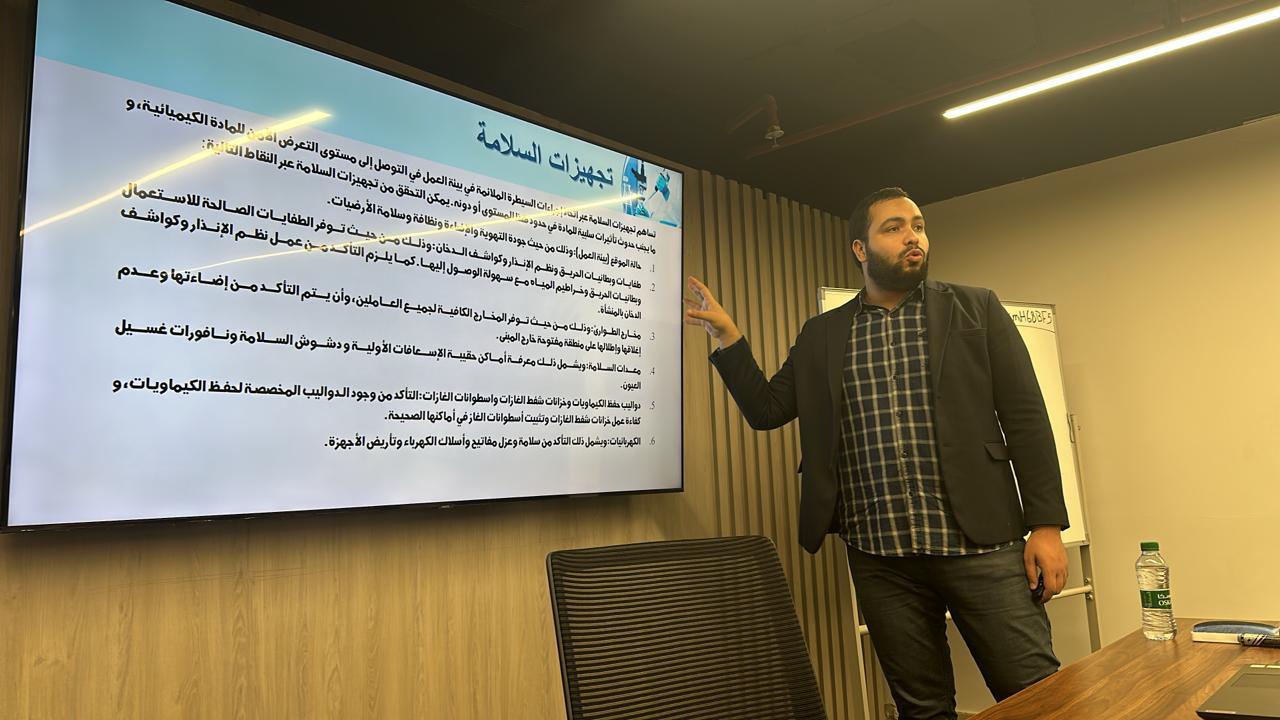
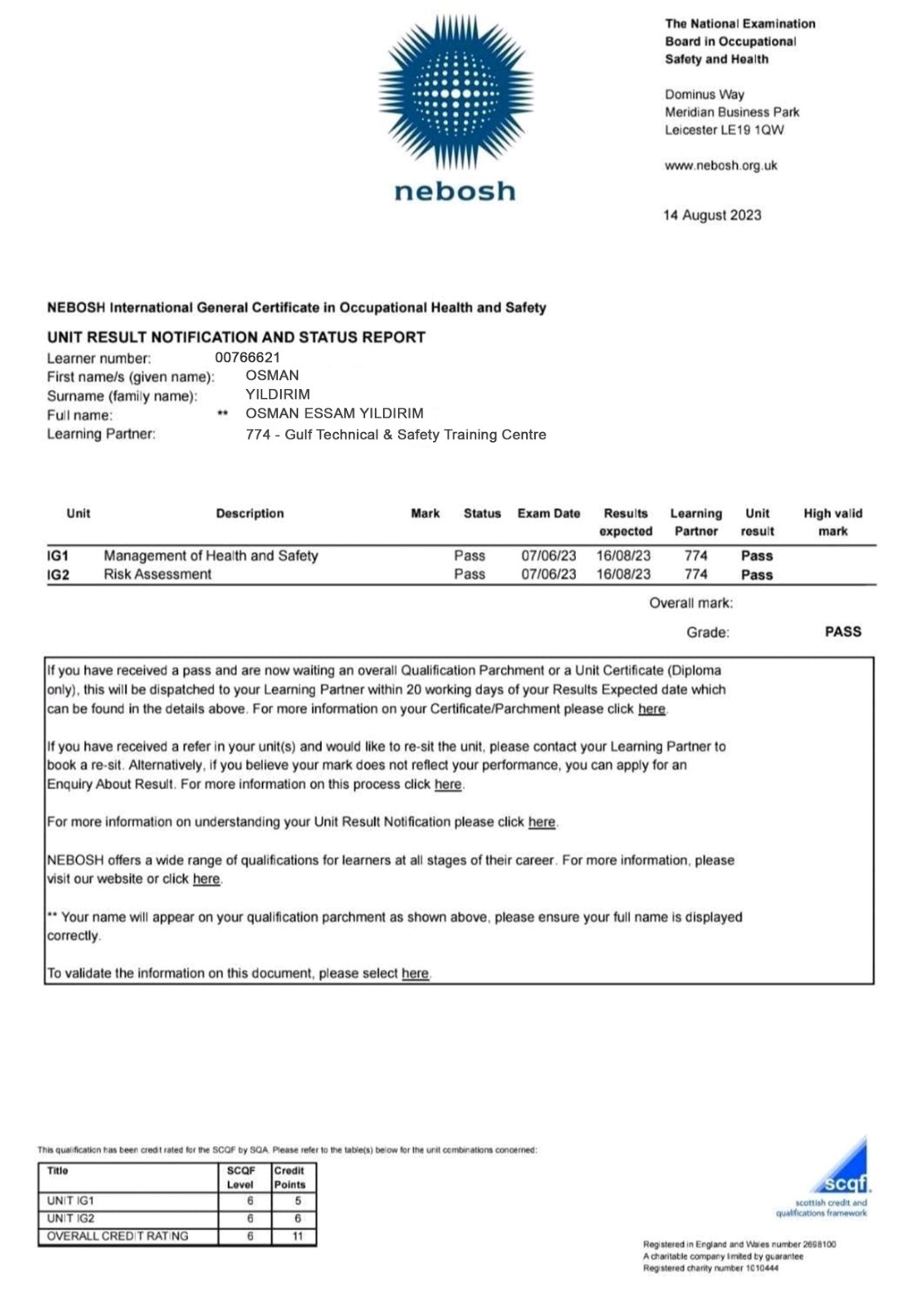
Security, Safety, and Occupational Health

  1. Introduction to occupational safety and health
  2. Workplace hazard identification
  3. Risk assessment and control measures
  4. Fire safety and emergency preparedness
  5. PPE (Personal Protective Equipment) usage
  6. Electrical and chemical safety
  7. Ergonomics and workplace design
  8. Incident investigation and reporting
  9. Health surveillance and monitoring
  10. Legal requirements and regulatory compliance
  11. Safety audits and inspections
  12. Training and safety communication
  13. Safety culture and employee engagement
  14. Environmental health and safety (EHS) policies
  15. First aid and CPR basics
  16. Occupational diseases and prevention
  17. Stress management and mental health at work
  18. Contractor and visitor safety
  19. Role of safety officers and committees
  20. Case studies in occupational safety

Partners

Contact

en_USEnglish